
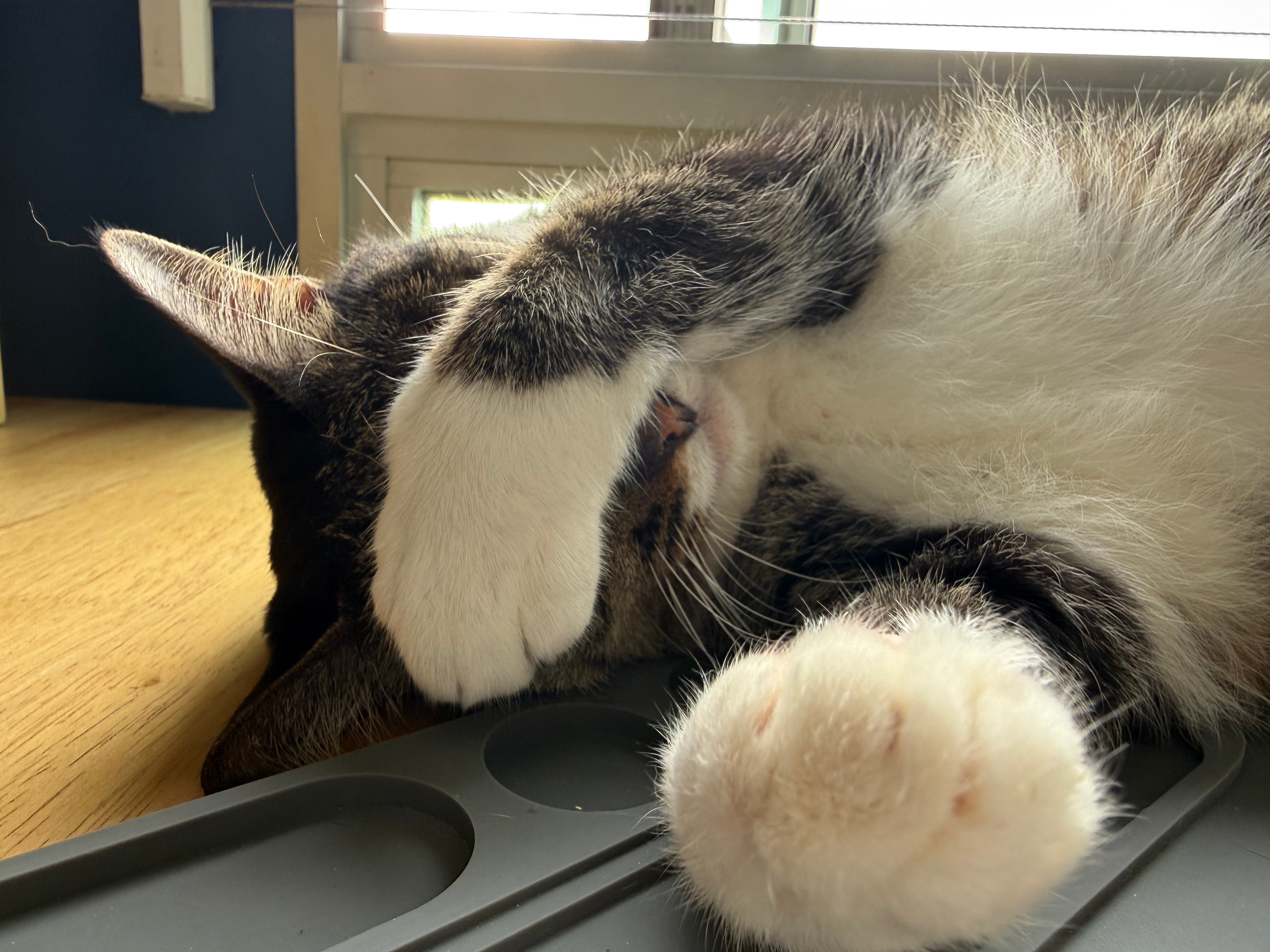
As cats age, many significant physiological changes occur throughout their bodies, several of which have a direct effect on their digestive system. Having a good understanding of these changes is crucial for any cat owner who wants to help their furry friend age comfortably and healthily.
Senior cats often require a higher level of monitoring because even subtle changes in their litter-box behaviour can point to potential digestive issues. This article will help you gain an understanding of what’s normal, what’s concerning, and how you can help make a significant difference in your senior cat’s quality of life.
How Ageing Affects the Digestive System
One of the first changes to affect ageing cats is the slowing down of gastrointestinal motility. Research shows that as the muscles of the digestive system lose their tone over time, material moves more slowly through the digestive system, resulting in harder stools or increased effort during bowel movements. Specifically, the muscle tone of the colon naturally declines with age, making it harder for the body to push stool along.
Another aspect of how age affects the digestive system, as reported by veterinarians, is that senior cats have a higher likelihood of developing kidney disease, and become prone to losing more water as a result of increased urine production. Dehydration subsequently dries out the stool as it moves through the digestive tract and increases the risk of constipation.
Other age-related diseases, such as diabetes, hyperthyroidism, arthritis, and cognitive decline, can also have an influence on bowel movements. These conditions can alter appetite, activity levels (including the cat’s ability to reach the litter box), and motility, which all play important roles in shaping their litter box habits.
Common Bowel Issues That Arise
Constipation has been termed a clinically important problem that many senior cats face. Stool can become dry and compacted if it stays in the colon too long, and resultantly becomes difficult or painful to pass. Sometimes in serious cases, this can even lead to obstipation (a complete blockage wherein no stool or gas can pass) and immediate medical intervention is required.
As mentioned above, older cats are more susceptible to constipation from reduced water intake, decreased motility, reduced muscle strength and chronic health conditions. According to experts, early warning signs to look for include straining in the litter box, only producing small or hard stools, more frequent visits to the litter box, or vocalization when trying to defecate.
Frequent diarrhoea, while less common than constipation in aged cats, may also point to underlying health issues. Specialists have described that certain chronic conditions, such as hyperthyroidism, gastrointestinal infections, and inflammatory bowel disease, may be the culprit behind loose stools in older cats. It’s important to note that compared to younger cats, diarrhoea in senior cats is more concerning as it can lead to dehydration (which they are already prone to) or indicate one of these more serious diseases. If your senior cat has recurrent or watery diarrhoea, you should always consider it a red flag.
In older cats, underlying health conditions, fluctuations in hydration, and changes in diet may contribute to variable bowel movements, including alterations in stool consistency or frequency. For that reason, it’s important to monitor any variations carefully to identify any patterns that emerge as your cat ages.
A Deeper Dive into Medical Conditions That Affect Bowel Habits
Clinical research indicates that kidney disease, hyperthyroidism, arthritis, neurological or mobility issues, and dental disease are common diseases of older cats, and all have the potential to influence bowel habits. The first two diseases, we have already touched on briefly. Kidney disease leads to dehydration and the potential for hard, dry stools that can be difficult to pass. Conversely, hyperthyroidism often leads to increased gastrointestinal motility that results in loose or frequent stools.
Additional things to note for these diseases are that kidney disease can be subtle and hard to detect at first, making changes in bowel movements an important early clue in diagnosis. DVM, Wendy Brooks reports that for hyperthyroidism, the combination of increased metabolism plus vomiting and diarrhea can cause your cat to lose weight, so diarrhea plus weight loss is a clear indicator for this disease.
Arthritis is a disease you may not expect to have an effect on bowel habits, but it does so in a way that is unlike the aforementioned diseases. Specialists in feline medicine explain that when arthritic cats are in a lot of pain, getting to their litter box becomes difficult. If this is the case, they may delay their defecation (which can lead to constipation), or defecate outside of their litter box. In a similar sense, neurological or mobility issues can impede senior cats from accessing their litter boxes or squatting comfortably, making defecation a challenge.
Finally, DVMs Ryan Llera and Krista Williams report that dental disease (which is very common in old cats), often coincides with a reduced appetite, and therefore the production of smaller, drier and more irregular stools.
Prevention and Support Through Nutrition
When it comes to supporting digestive health in older cats, nutrition is key. Many older cats benefit from easily digestible diets such as those with higher moisture content, balanced fibre levels, and ingredients that are gentle on the digestive system. Seeking out diets that are specifically designed for ageing cats or gastrointestinal support is an easy way to support healthy bowel movements in your senior cat.
When it comes to the type of fibre present in your cat’s diet, there are a couple of considerations. Soluble fibre absorbs water and helps stool to become softer, while insoluble fibre adds bulk to stool and stimulates motility. Depending on the specific needs of your cat and your veterinarian’s recommendation, you may need to adjust your pet’s fibre intake, increasing it to combat constipation or reducing it to minimize inflammation.
Proper hydration is equally important. Since senior cats often drink less on their own, you can switch to wet food, use mixed feeding, provide broth, or use water fountains to promote hydration and maintain regular bowel movements. Adequate water intake reduces the likelihood of hard stools while also supporting kidney function and health.
Information in this section is based on guidance from DVM Jennifer Coates.
Environmental and Lifestyle Considerations
Making minor adjustments to your senior cat’s environment is another simple way you can improve their bowel health. The first environmental aspect to consider is litter box access. Ensuring your cat’s litter box is placed in an easy-to-reach location and has low walls to facilitate easier entrance are two simple modifications that can make all the difference for your cat. Another consideration for cats with mobility issues is to avoid placing their litter box in an area that has to be accessed by stairs.
The second environmental aspect to consider as a senior cat owner is providing predictable routines and environmental stability. Since senior cats develop stress and cognitive decline more frequently, so experts recommend these changes help to reduce their confusion, their potential to forget the litter box location, and their overall anxiety, which all play a role in their bowel habits.
The third consideration centres around grooming. Veterinarians report that many senior cats struggle to groom themselves properly, leading to the increased ingestion of loose hair and a higher risk of developing hairball-related constipation. By brushing your cat regularly, you can reduce this risk and keep their digestive system operating smoothly.
How to Monitor Your Senior Cat’s Stool
When it comes to monitoring the health of an ageing cat, observing their stool quality/ bowel habits is one of the easiest and most effective ways you can do so. Any changes in the colour, consistency, or shape of their stool can indicate an issue ranging from dehydration to an underlying disease.
As an owner, you should always be aware of any signs of pain (mentioned below), or any straining, as these characteristics can signal constipation or another type of discomfort. When in doubt, it’s always useful to keep track of the quality and frequency of your cat’s bowel movements through a log. Logs often help owners notice subtle changes or emerging patterns that may have otherwise been missed, and are helpful tools for your veterinarian to refer to.
When to Consult a Vet
Certain symptoms require urgent veterinary attention. According to the Veterinary Information Network, if your cat has not had a bowel movement for 48 hours or more, they could be experiencing severe constipation or obstruction and likely needs a vet’s help to move the material through or unblock their digestive tract. If the condition has progressed, your cat could be lethargic, refusing to eat, retching or vomiting, which are all indicators of a critical issue. Frequent diarrhoea, blood that is visible in the stool, or signs of pain such as crying, hiding, being sensitive to touch, or avoiding the litter box also call for an urgent vet visit.
Certain recurring problems also warrant professional evaluation. Ongoing constipation or changes to your cat’s weight or appetite may be pointing to a deeper problem. Any time an underlying disease is suspected, it is always best to have it addressed right away in order to have the best outcomes.
Veterinary Diagnosis and Treatment
If you bring your senior cat to the vet for bowel-related issues, they will start by performing a physical exam, and likely follow it up with a variety of diagnostic tests. These tests include bloodwork to assess electrolyte imbalances as well as kidney and thyroid function, abdominal imaging to detect any blockages or structural changes, and faecal tests that can check for parasites or infections.
Once your veterinarian has a clear diagnosis, they may prescribe motility-supporting medications, stool softeners, or changes in diet to best support your senior cat’s bowel health. In more severe cases, your cat may need to stay at the clinic for treatment or may need to have hairballs or impacted stools removed manually while under general anesthesia or sedation. Sometimes even a simple enema can do the trick.
If an underlying condition, such as kidney disease or hyperthyroidism, is the culprit behind your cat’s bowel issues, these conditions will need to be treated and will likely require additional medications.
The insights provided in this section reflect current veterinary understanding as outlined by the Veterinary Information Network.
A Summary of Management and Prevention at Home
The best way to support your senior cat’s bowel health at home involves a combination of routine and lifestyle adjustments. Using a consistent feeding schedule as well as gentle daily exercise can help to maintain predictable digestion and a state of overall well-being in your cat.
Additionally, regular veterinary checkups are essential for the early detection of any age-related conditions. As your cat gets older, it’s likely that their dietary, hydration and lifestyle needs will change, so it’s important that you, as their owner, evolve with them, and make adjustments to prevent complications and promote their comfort to the best of your ability.
Final Thoughts
The unique digestive needs of senior cats are not to be overlooked. Changes in bowel movements are common with age, but they can also provide indicators or potential health problems. Using proactive monitoring, attentive care, and early intervention will all ensure that your cat remains comfortable, healthy, and thriving well into their golden years.

Sources:
https://pmc.ncbi.nlm.nih.gov/articles/PMC10816677
https://vcahospitals.com/know-your-pet/helping-our-senior-cats-age-gracefully
https://www.vin.com/apputil/project/defaultadv1.aspx?pid=8708&catid=&id=3843763&meta=&au
https://veterinarypartner.vin.com/default.aspx?pid=19239&id=4951398
https://veterinarypartner.vin.com/default.aspx?pid=19239&catId=102902&id=4952780
https://www.petmd.com/blogs/nutritionnuggets/cat/dr-coates/2014/march/foods-constipated-cats-31439
Disclaimer: Grin Like Cheshire is not affiliated with the featured brands and trademark rights remain the property of their respective owners. When in doubt, always consult your vet — early detection makes all the difference.