
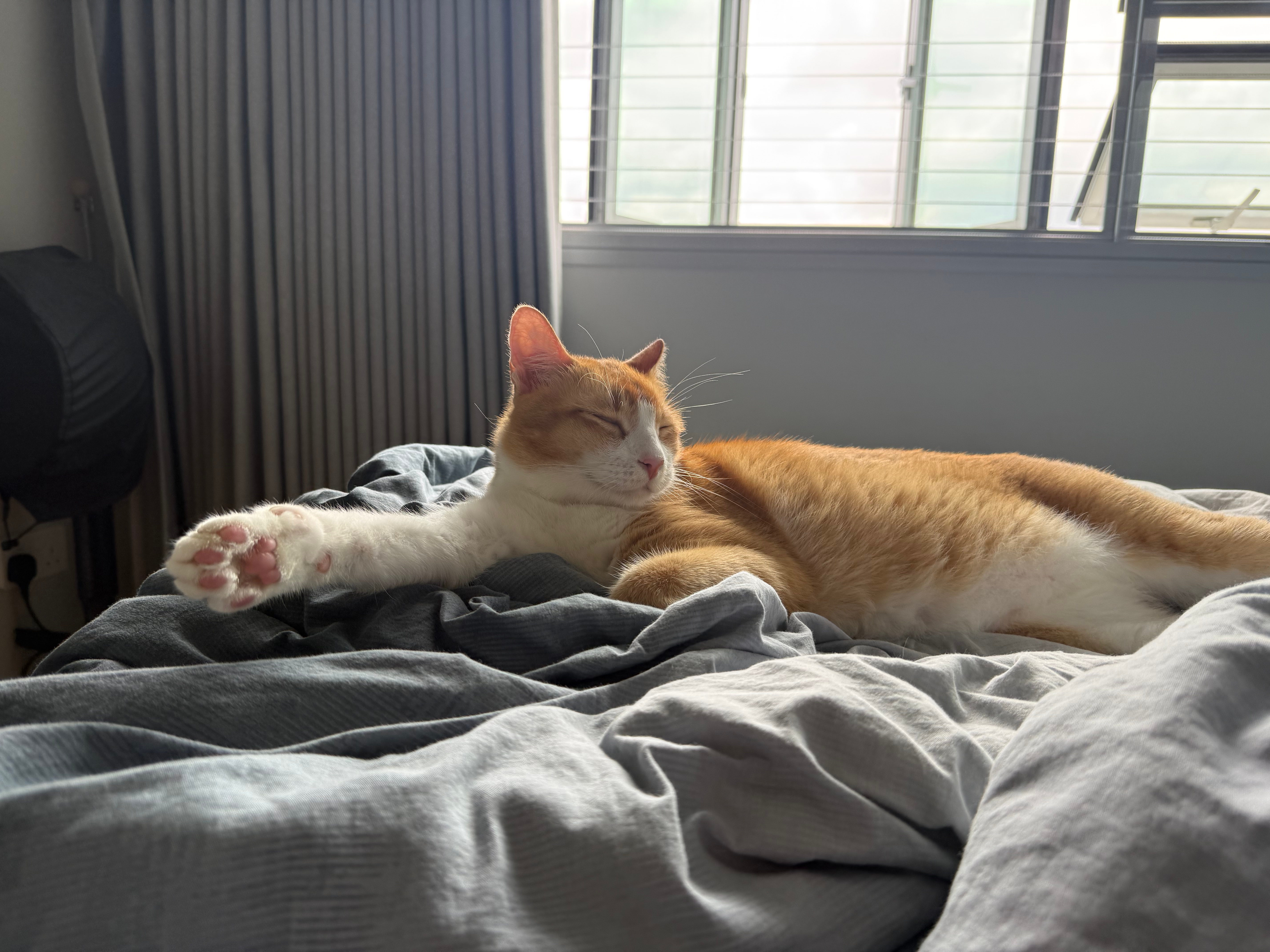
Cat owners are not adverse to trying out new things for their cats, especially when it comes to the litter options they can use. Buying cat litter every month can rack up on costs, especially if your cat is very specific or allergic to specific types of litter. There is also the fact that litter costs differ depending on the type you selected, what features it has and if it is branded.
With the various new releases of cat litter, you may be wondering if changing the cat litter brand for your cat is bad for their health or not. The quick answer to this question is no. But, you need to do it gradually. And down below is a quick article on how you can safely switch your cat’s litter brand and avoid any risks.
Is it Bad to Switch or Change Cat Litter Brands for your Cat?
No. But, you need to make the proper adjustments to help your cat adjust naturally and not affect their habits. If you do it immediately, it may cause your cat to be stressed out and affect their overall health.
Reasons Why Changing or Switching Cat Litter Brand Is Ok!
Are you wondering why changing or switching your cat’s litter brand is ok?
Here are the top reasons why you can consider it for your cats:
- Overall Health Benefits: Using scented and dusty litter can cause certain cat breeds to have allergies or respiratory issues. It is always recommended to get cats with either low-dust, natural or fragrance-free options since they are proven to be healthier for cats.
- Odor control: Strong and pungent odor from your cat’s used litter isn’t just going to cause problems for your cats, it will also cause problems for your entire family. The scent may transfer to other parts of the house and some scents may stick to the litter box itself, which may cause your cats to avoid the litter box. This is why it is best to have a litter brand that will keep your cat’s litter box fresh and keep the odor under control until you can replace it.
- Prevent Litter tracking and mess: Changing cat litter brands may also be beneficial if your cat tends to cause a lot of litter tracking and mess with your current litter. It is possible they are not happy with the litter, adding more cleaning issues for you.
- Environment-friendly: Litter brands made from natural ingredients like wood, paper, soy or corn are biodegradable, making them easier to dispose of compared to those made from silica and chemicals.
- Easy to Use: Some litters clump together when it is used. Others are easy to scoop. There is also litter that doesn’t stick, making it easy to clean. So, pick the one that works best for your cleaning needs.
- Comfort – Some cats have very specific requirements when it comes to textures and odor. Switching to something new can help them become motivated to use the litter box often.
Picking the Right Litter Type: General Guidelines
Before going to the store to find the litter that works best for you, you need to do your research and know the different factors that can affect your choices.
Material
The material of the litter you selected will make a difference in terms of how much it will control odor, track and create dust. Some of the materials that are used for cat litter include clay, corn, silica, and a combination of various materials. Each material comes with pros and cons so you need to pick the one that matches your cat’s preferences and house’s lifestyle. The most popular type of material used for litter is clay because they clump when they are used. Eco-friendly cat litters are also great, usually made with natural materials.
Scented or Unscented?
While many people would go after scented litter since it can mask strong odors from your cat’s pee or poop, cats are very sensitive to certain scents. If the scent is too strong, they may avoid the litter box entirely and go do their business elsewhere. It is always recommended to use unscented litter to prevent this problem. Your veterinarian may be able to help you pinpoint these scents during your cat’s checkup.
Clumping or Not-Clumping?
Litter brands are also divided into two types, non-clumping and clumping. Non-clumping litter is often very affordable and easy to buy. It also does not require scooping constantly. However, it does produce a lot of dust and cause tracking. It is also not biodegradable, making it a hazard for the environment. By comparison, clumping litter is easier to clean, does not require constant replacing and offers great odor control that would ensure your cats don’t avoid it.
Litter for Multiple Cat Homes
If you own multiple cats, it is ideal to have more than one litter box and the litter should be acceptable to all your cats so you don’t need to purchase different types of litter brands for them unless they are kittens, elderly cats or allergic to the brand. It is also ideal you have a spare litter box ready so they don’t argue with each other.
Automatic Litter Boxes
If you own a self-cleaning litter box, you may be locked into purchasing the brand’s signature litter because it works specifically for the litter box you purchased. However, some litter box companies do allow certain types of litter brands to be used for their products but with select caveats. So it is best to check if your automatic litter box supports the litter brand you select and if you will need to maintain it extra so it won’t cause damage to your litter box’s components.
Age of the Cat
You will need to take into account your cat’s current age when determining if it is time for you to change litter brands or if they require certain litter brands that work well for their age. For kittens, they will require litter that isn’t clumping because they may see it as a treat rather than cat litter. It is also important that you do not switch to silica litter because these litters can swell and can cause death.
For elderly cats, sticky cat litter is not ideal since it will stick to their paws and cause tracking. Some cats may even lick the cat litter if it sticks on their fur by accident. It is highly recommended for these cats to use large and non-tracking litter since it does not create tracking and discourage them from licking it.
Your Allergies
You also need to make sure that the litter brand you plan to change into for your cat is something you can tolerate. If you have allergies with dust and strong odors, it is best to keep it within non-dust or low-dust litter. Tofu cat litter is ideal for this situation.
Cost
Finally, you also need to consider the cost since every litter brand comes with a different price tag depending on their features, materials and other characteristics. There is also the fact that if you have an automatic litter box, you may be stuck getting what the company provides. To determine if you are spending a lot on the litter box, see how often you replace the litter for a month. It is important to also remember that even if it is ‘cheap’, it may not be cheap in the long run.
Strategies to Do a Safe Litter Brand Change
If you do plan to switch your cat’s litter brand, it is best to find the right strategy that would help reduce your cat’s stress and ensure it does not affect their overall health. Check the strategies below to see which one works best for your cat’s needs.
Plan 1: Slow Mixing
Out of all the available strategies out there, this is the most popular way to help cats get used to new litter brands. In this strategy, you gradually add the new litter and mix it with their current one.
- For the first three days, add 25% of the new litter you want to try out, then add it to the 75% of their old litter. Your cat will be able to relax with the new litter since it is with something familiar and get used to the new scent.
- For days 4 to 7, make the mixture 50-50. Around this time, your cat should already be accustomed to the new litter.
- For the next three days, change the mixture to 75% new litter then 25% of the old brand. Your cat, around this point, should already be comfortable with the new litter.
- Once you hit day 10, completely use the new litter. Your cats should be ok and adjust with their new litter.
Following this strategy ensures your cats don’t get shocked from the sudden shift in litter and accept the new litter naturally.
Plan 2: Use Two Litter Boxes
If you plan to switch from one type of litter to another, for example from clay pellets to paper pellets, your cats may reject the litter box altogether if you force them to use them immediately. The texture may be 100% different from what they are used to. So, the best thing to do is give them a choice to see which one they like best.
Here is a great way you can introduce the new litter to them
- Set up two litter boxes with the first litter box with the old litter, the other with the new litter.
- Observe how they check out the new box while the old one is still in use.
- Allow the cats to test out the new litter for 1 to 2 weeks and slowly adjust the first litter box by slowly adjusting the amount of the old litter and combining it with the new one similar to the first plan above.
- Remove the old box once your cat is consistent in using the new litter.
Plan 3: Get an Automatic Litter Box
If you have enough budget to invest on one, using an automatic litter box may be a great way to reduce the stress of the adjustment for you and your cats. These automatic litter boxes provide clean litter spaces for your cats and even help you monitor your cat’s usage. It also comes with a large space for your cats to move in as they do their business, even if the litter changes as the machine cycles.
Things To Do If Your Cat Doesn’t Like the Switch
Of course, it is important to remember that every cat is different and their reactions vary, especially if their habits are changed in any way. Here’s how to handle negative reactions from your cats:
- Check their medical condition – If your cat somehow shows symptoms like blood in their urine, holding back their urine or vomiting, it is best to check if it is caused by a medical condition before throwing the new litter away. Ask your veterinarian to check your cats and see what you can do to help with their situation or if it was the litter that caused all the problems.
- Use the multiple litter box strategy – It is also great to try multiple boxes with different litter types to isolate the problem and see which brand works best for your cats.
- Check out enzyme cleaners – Cats use scent cues to help determine which odors are familiar and not, as well as which ones are not good. If there is any residual odor from your litter box or its surrounding areas that you were not able to clean properly, your cats may avoid the litter box entirely. When cleaning the litter box or changing their litter, use enzyme cleaners on the litter box to ensure they don’t smell the old litter and encourage them to use it.
Final Thoughts: Patience is a Virtue!
When you think it is time to change litter brands for your cat, don’t be afraid to do your research and see how you can adjust your cat’s habits to make the switch safer. Remember, rushing things will only cause your cat to get stressed out. But if you do it gradually, it may not only give them some peace of mind and comfort, but it will also make your lives easier as their owners.
Let this guide be your starting point and make the switch when you are ready!
Disclaimer: Grin Like Cheshire is not affiliated with the featured brands and trademark rights remain the property of their respective owners. Above information is for educational purposes only and does not constitute medical advice. Always seek the advice of a qualified healthcare provider with questions regarding a medical condition.