
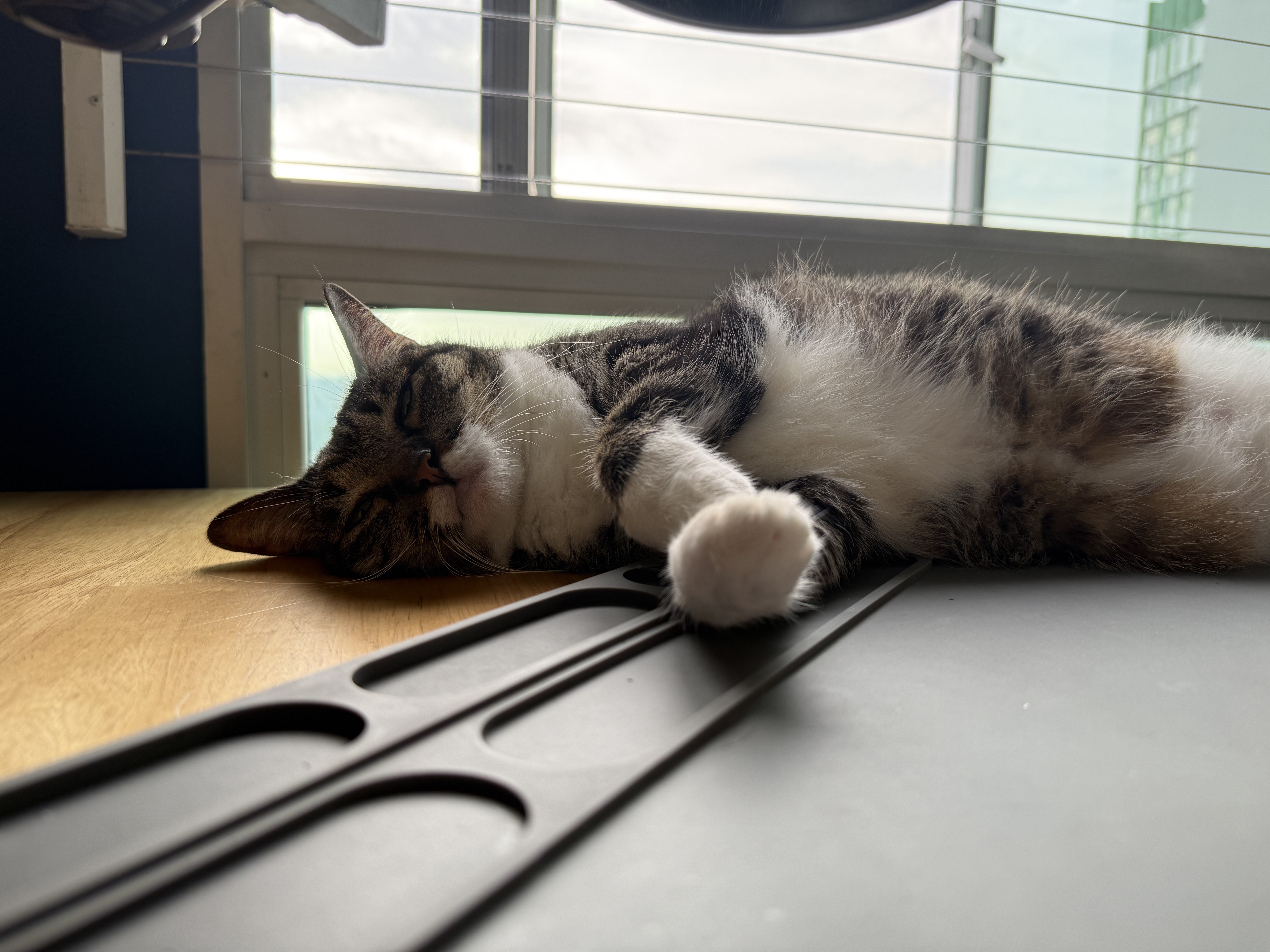
Automatic litter machines have become more and more popular among cat owners due to their revolutionary convenience. The home is completely transformed by the ability of the automatic litter machine to rake away cat wastes, eliminate unpleasant odours, and track cats’ bathroom habits. The problem, however, is that cats have a biological tendency to be wary of things they have not encountered before, such as objects, sounds, and movements. This means that, when an automatic litter machine is introduced into the home, cats will commonly reject it.
The tendency for cats to reject the automatic litter machines is often misconstrued as petulance, but it is really just biology that makes cats survivors. The good news is that rejection can be reversed. The solution lies in the fact that cats crave predictability, and as such, one can easily train them using a methodical and instinct-respecting approach. This article will help transform your frustration into triumph by presenting to you the best approaches for using automatic litter machines to train your cat.
How Cats Naturally Approach the Litter Box
Cats always approach elimination in a ritualistic way. These rituals include circling boundaries, sniffing for familiar pheromones, and digging holes to bury their waste. These hygienic and territorial routines are hardwired into their biology and have evolved because of their ancestor’s need to avoid detection from scavengers in the wild. Locations are often chosen based on their ability to be quiet, safe, and predictable; anything that doesn’t match their checklist can be seen as a potential death trap.
When raking mechanisms, unfamiliar enclosure shapes, or new sounds are introduced, their security blanket is torn off, and their flight response is triggered. It’s hard to do your business if your brain is screaming “ambush” rather than “convenience”. With all that being said, the natural flowchart cats have (scent, dig, bury, exit) must be respected when forming the foundation for successful automatic box training. This will allow you to properly bridge your cat’s hardwired evolutionary caution with modern engineering.
This section was written based on guidance from Dr. Louise Barnes MRCVS.
Common Reasons Cats Refuse an Automatic Litter Box
There are several specific reasons your cat might reject an automatic litter machine. Sometimes it’s only one issue, and sometimes it’s a combination. If your cat is noise sensitive, the noise of the cleaning cycles’ rakes or spinning globes might be enough to scare them away. In other cases, specialists note that a high entry height could cause problems for small kittens, arthritic seniors, or timid cats that feel exposed when having to climb into an enclosed dome.
Scent can also play a role. Fresh, unscented litter lacks the “used” smell and pheromones that help cats establish the safety of their litter box, hitting a sort of reset button on their preferences. Sometimes, cats will have a startle experience when a cleaning cycle happens mid-use. Experts highlight that this can cause a major aversion because the individual can associate relieving themselves with a mechanical assault.
Certain design mismatches can make issues worse. If the box is quite large, smaller cats may be intimidated. On the other hand, a narrow entry can be guarded in a multi-cat household and spark bullying. All of these triggers have the potential to disrupt your cat’s senses and expectations, but training can still help reverse these effects.
Is Your Cat the Right Candidate for an Auto Litter Box?
So how do you know if an automatic litter machine will be a good fit in your home? Because of the reasons above, certain pets require more consideration. Kittens under 6 months can adapt to automatic litter machines much faster but will need a low-entry model to allow for easier access. Senior cats often have some of the hardest times adapting since they are used to their old ways and startle easily. If you do decide to make the switch, ensure that it is also one with easy entry.
Cats that are naturally shy, anxious, or noise-phobic will have the same difficulties with these devices. Therefore, longer transition times is an expected outcome. Pheromones, which are reviewed in more detail later, are also an option for these types of individuals. On the contrary, outgoing and curious adults have an easy time transitioning and are the ideal candidates.
In multi-cat households, a careful assessment is needed. Open-top designs can help prevent dominant cats from ambushing subordinates at entries, but professionals recommend using multiple boxes or adjustable height platforms in multi-cat households. Cats with mobility issues can greatly benefit from the automatic hygiene which prevents bacterial tracking, but for severely fearful cats, emotional security will likely need to be prioritized over technological cleanliness.
Signs Your Cat Is Actively Avoiding the Auto Litter Box
If you’ve decided to make the transition to an automatic litter machine, it’s important to monitor your cat’s elimination behaviour and how they act around the machine over the first several weeks. If your cat does not use the litter box for elimination, they will hold their urine or feces, which may cause small voids, straining, and/or infections due to not fully emptying their bladder. Experts highlight that a cat may have repeated accidents just inches away from the litter box, which points to location confusion. Lastly, circling and sniffing around the litter box without entering may mean that the cat is having an internal conflict between their urge to defecate and their fear of the litter box. When you notice any of these signs, you need to take a step back and evaluate what would work best for your cat.
Step-by-Step: How to Train Your Cat to Use an Automatic Litter Box
It is recommended that when you first introduce the automatic litter box, you should unplug it completely so that it is similar to the static litter box your cat is currently using. Place the new litter box next to the old one. Fill the new box with the same litter you have been using. You may even add some of the old litter from the old box to the new box because it contains the scent of your cat which will help it feel more at ease. Allow your cat to explore the new box at their own pace, and feel free to offer soft praise and a few treats during their investigation.
Over the next 1-2 weeks, you may start to limit the usage of the old box. Some litter boxes have the option to raise the edges of the box slightly to encourage the cat to use the new box. It is also important to monitor the new box usage to ensure the cat is voiding normally and repeating the digging action. One of the final and key processes is to ensure you only activate the cleaning cycle when you know the cat is not going to be present (meals, playtime, sleep time, etc.). It is possible to set a 10–15-minute delay to avoid mid-use surprises. If you follow these steps, you are giving your cat the best possible chance of adjusting to the new box. However, always pay attention to how they react to the change, and slow things down if necessary.
This section was written based on information from Whisker.
Supporting Your Cat Emotionally During the Transition
Throughout the transition, there are a few additional things you can do to help keep the process running smoothly. During successful visits to the box, specialists recommend offering praise and treats to keep up positive emotions. In the rest of the house, keep stressors to a minimum. This includes reducing loud noises, establishing a routine, and ensuring that there is lots of play time. Another asset, especially when dealing with very stressed cats, is synthetic pheromone diffusers/sprays such as Feliway. This is a spray containing synthetic pheromones, which is very useful for instilling a sense of a relaxed and secure environment, similar to those found naturally within cat pheromones.
Mistakes That Sabotage Auto Litter Box Training
There are a few absolute no-no’s which can make your cat’s adaptation to the new box much worse, potentially ruining the transition process altogether. Do not remove their old litter box right away, as it will cause panic and confusion. Forcing your cat inside the new box must also be avoided at all costs. It can immediately turn curiosity into fear that can last months. Avoid setting cleaning cycles to immediately post-use, as it can sometimes trap cats’ mid-relief. Remember, take your time; dooming your setup through impatience rather than following a set method is never worth it.
How an Automatic Litter Box Helps Once Your Cat Accepts It
So, after reading all of this, you’re probably thinking, are these machines even worth it? The answer is yes! These automatic litter machines are not just helpful for you as an owner; they can improve your cat’s health and happiness too! First off, the clean toilet environment prevents odours from stinking up the environment around you, which keeps your house clean while at the same time preventing odour-related avoidance of the litter box. A 2025 article from Forbes highlights that the machine’s integrated sensors log the frequency, duration, and volume of your cat’s eliminations, which can help flag many health problems before they escalate. A few examples are urinary tract infections (decreased visits), constipation (infrequent large outputs), or inflammatory bowel disease (increased small and frequent voids). In multi-cat households, the boxes can even track which pet is producing the abnormal pattern through the use of weight sensors.
When to Stop and Reconsider
In certain cases, it’s probably best to stop the transition process altogether and go back to the old box, in consideration of your cat’s health and happiness. If your cat is hiding more than usual, showing aggression in relation to the box area, losing weight because of suppressed appetites, or spraying more often than usual, all of these are indicators that your cat’s stress levels are greater than any possible benefit that can be derived from using an automatic litter machine. It’s best to revert immediately to the original litter pan you were using in order to get rid of the excess stress. Not every cat needs to have an automatic litter machine, and that’s totally fine. At the end of the day, every owner should prioritize their cat’s well-being over convenience.
Final Thoughts
Patience is the key to every successful transition. Keep in mind that every cat will adapt at their own pace, and some cats won’t adapt at all. You know your cat best, and when it comes to litter boxes, successful use always corresponds with comfort, not technology.

Sources:
https://www.litter-robot.com/acclimating-your-cat.html
https://www.litter-robot.com/blog/cat-not-using-litter-box/?srsltid=AfmBOoq7s2-FpNrP7Up0KMwXQjN2b_cAFSTt7RgJXq37uJK1y8aF494P
https://www.forbes.com/sites/forbes-personal-shopper/article/are-self-cleaning-litter-boxes-worth-it
https://www.rover.com/blog/self-cleaning-litter-box-training