
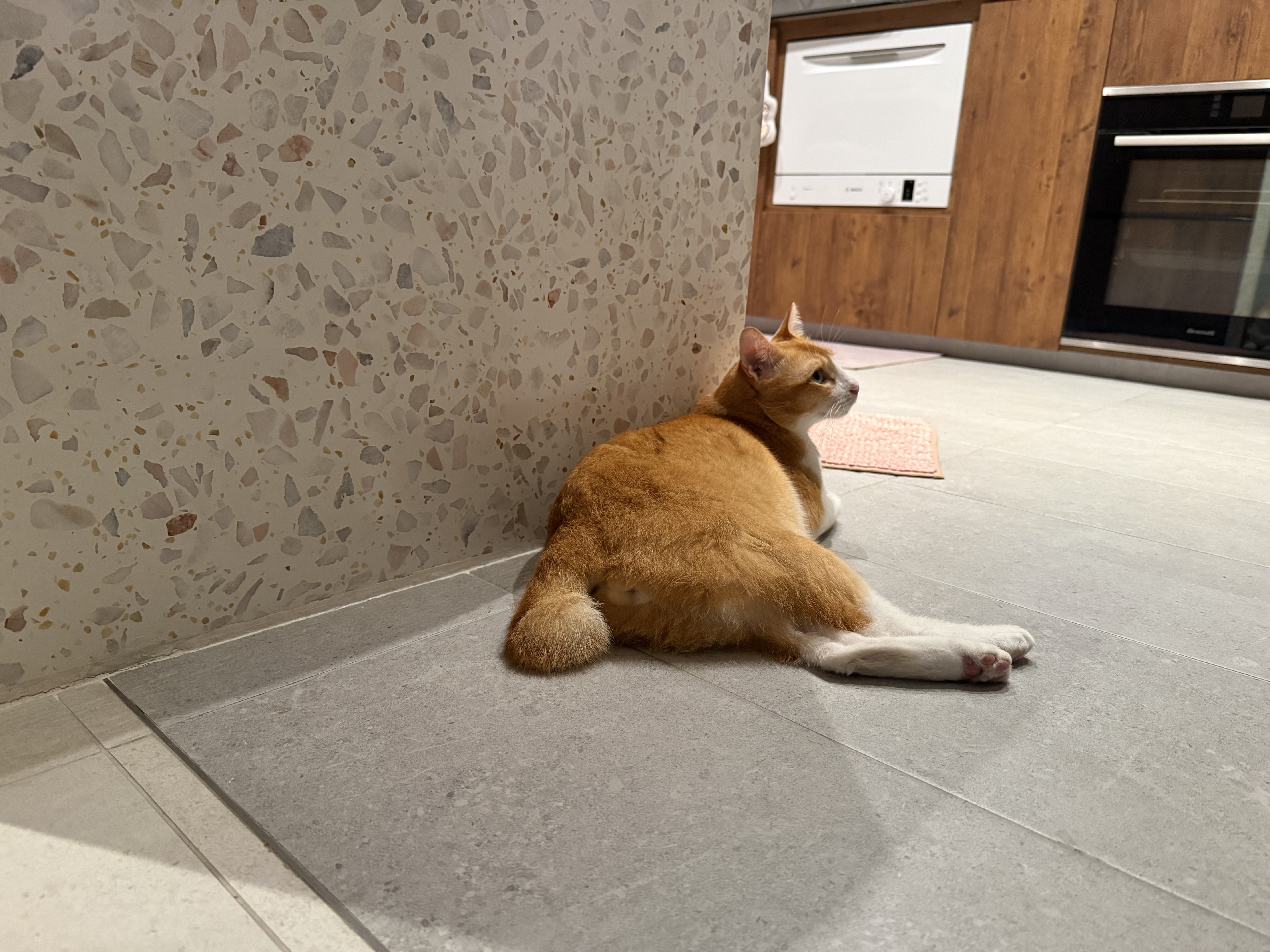
Anyone who has seen their cat walk out of the litter box without even bothering to look back and cover their waste probably has asked themselves if this is a normal cat behaviour. It seems that covering waste is something that comes naturally to most animals, and when it doesn’t happen, it becomes a mystery. However, covering or not covering waste has a lot more to do with the way cats have evolved over time, as well as other factors that may influence their actions.
Is It Normal for Cats Not to Cover Their Waste?
Covering faeces or urine is not actually an innate behaviour for all felines. The truth is different from what it might seem. Although domestic cats learn about waste covering from their mother or by experience, the main thing that motivates a cat to do it or not lies in the social cues. When domesticated, cats live in a unique social situation because they have to live among people and sometimes other animals, but at the same time they retain many characteristics typical of their wild ancestors. Veterinarians report that in the natural environment, a cat will bury its faeces in order not to be recognized by predators or as a sign of submission within a social group among more dominant individuals.
Common Reasons Cats Don’t Cover Their Waste
While on the subject of territory and dominance, when it comes to multi-cat homes, the feline who has a more dominant attitude in the social structure that will be less concerned about covering waste products. That cat may avoid going through this process intentionally as a way to send a signal to the rest of the household members. Litter box cleanliness is another possible cause for the behaviour. Research shows that cats are very attentive to the state of cleanliness when using the toilet. A dirty litter box may cause your cat to change their litter covering process or even have accidents outside the box. Anxiety and stress are equally worth considering. New pets, renovations, or routine shifts can all affect your cat’s bathroom behaviour. Cats that are stressed might rush through the whole experience and skip the covering ritual altogether.
Another potential cause of the behaviour are health problems. Arthritis, bladder infections, or digestive problems may cause your cat to experience pain while using the litter box. In these cases, when going to the bathroom is uncomfortable, your cat will probably try to get in and out as fast as possible (which can mean skipping the covering step). Pain in the paws may cause scratching to become unpleasant. Kittens often leave their business uncovered because they haven’t learned the habit yet. Most cats learn this skill by experimenting with the litter, and some may take more time than others. Litter choice is also important as cats prefer certain textures and scents. Substrates that feel unpleasant under the paw are unlikely to motivate the cat to dig.
What Your Cat’s Behaviour Might Be Telling You
The lack of waste covering doesn’t necessarily occur on its own, it is usually backed by some context. A cat that has always covered but suddenly stops is in a very different situation from one that never developed the habit at all. The former is the situation that requires special attention. Changes in the way the cat uses the litter box tend to be among the first signs of an emerging health problem, which makes keeping an eye on a cat’s elimination patterns a highly valuable tool for owners. Some behaviours that could occur with a newly developed lack of burying waste include straining, frequent short visits, vocalizing, or having accidents. These are all symptoms worth investigating with your vet.
How to Encourage Your Cat to Cover Their Waste
Starting with a clean litter box is one of the most effective ways to begin. Frequent scooping and regular complete cleaning help ensure that your cat uses its litter box as intended. Most cats are happier using a box where they don’t feel the need to leave right away, therefore proper cleanliness is an excellent step towards motivating your pet to cover. Litter type plays a bigger role than most people think. According to veterinary research, the best litter option for cats is unscented clumping clay litters as they feel closest to their natural choice of substrate, such as soil or sand.
Box location is also a factor. Felines require a sense of security during elimination. A box placed in a secluded part of the room will create a better result than a box located close to noisy devices or high-traffic areas. Another factor that should be considered when trying to ensure a successful training process is the number of boxes available in the household. It is commonly recommended to have one box for each cat, plus an additional box, spread throughout various locations in the house. Positive reinforcement is a kind method that can encourage the desired behaviour through gentle praise or a small reward after your cat successfully covers their waste. It works especially well for young cats and food motivated cats.
How Automatic Cat Litter Machines Can Help
Automatic litter machines simultaneously tackle some of the main causes of uncovered excrement. These tools automatically remove waste from the box after just a few minutes of usage, ensuring a continuously clean litter box with minimal manual input from humans. A Forbes’ study from 2025 noted that the built-in sensors on the devices keep track of the number of visits, the length of visits, and weight. This information can be critical in diagnosing potential health problems before they become bigger.
The hygiene provided by an automatic litter box not only makes the act of using a litter box a more pleasant experience for cats, encouraging them to cover their waste, but also helps them get used to this routine. Odour management is yet another valuable advantage as bacteria cannot decompose the waste and produce a foul smell in time.
Automatic litter boxes are especially useful for busy families or families that own several cats. Weight sensors allow the machines to recognize individual cats and can help owners pinpoint which cats may be sick or avoiding the litter box.
When to See a Veterinarian
While a cat who hasn’t been covering their eliminations could just be exhibiting natural behaviour, any abrupt departure from routine should be taken seriously. Behaviours such as straining while eliminating, voiding often but only small amounts, making noise near the litter box, or the presence of blood in the urine or faeces point to something more serious than simple behavioural issues. If the new behaviour appears suddenly or has continued for longer than 24 or 48 hours, you shouldn’t hesitate to seek professional help. A vet will be able to conduct a physical examination, urinalysis, and other tests, which can eliminate possibilities such as infections, kidney problems, arthritis, or GI issues. These conditions are often much simpler to address when discovered early.
Frequently Asked Questions
Do all cats cover their waste?
Not all cats will cover their waste but it’s perfectly ok because it still falls within the range of normal feline behaviour. Covering or not covering waste is shaped by social context, environment, and a cat’s individual personality rather than being a fixed trait. Some cats may cover their waste during certain phases of their life and not during others.
Can older cats change this behaviour?
Older cats can change their habits, although it may take more time than ususal. This is particularly true if they have arthritis or a decline in senses. Using a softer type of litter and litter box with a lower-entry point are great ways to help seniors stay comfortable enough to cover their waste.
Is not covering waste a sign of dominance?
Leaving waste uncovered can be a sign of dominance in multi-cat households, but it’s not the only explanation. In a single-cat home, hygiene, litter preference, or underlying health problems should be explored first.
Final Thoughts
Cats are animals of habit, instinct, and direct communication, even if their signals aren’t immediately obvious. Your cat likely has a reason they don’t cover up their waste, whether it be environmental, social, or physical. Noticing any changes and responding thoughtfully is part of being a good cat owner.
Providing a comfortable, clean, and strategically placed litter box goes a long way in keeping your cat’s bathroom habits happy and healthy. Additionally, it’s important to stay curious about your cat’s habits, rather than taking them for granted because it’s one of the simplest things you can do for their long-term wellbeing. If you ever have any questions or concerns about your cat’s health or behaviour, contact your veterinarian.
Sources:
https://www.petmd.com/cat/behavior/why-do-cats-bury-their-poop
https://pmc.ncbi.nlm.nih.gov/articles/PMC10376366
https://pmc.ncbi.nlm.nih.gov/articles/PMC12169895
https://www.forbes.com/sites/forbes-personal-shopper/article/are-self-cleaning-litter-boxes-worth-it
Disclaimer: Grin Like Cheshire is not affiliated with the featured brands and trademark rights remain the property of their respective owners. When in doubt about your pet’s health and well-being, always consult your vet — early detection makes all the difference.