
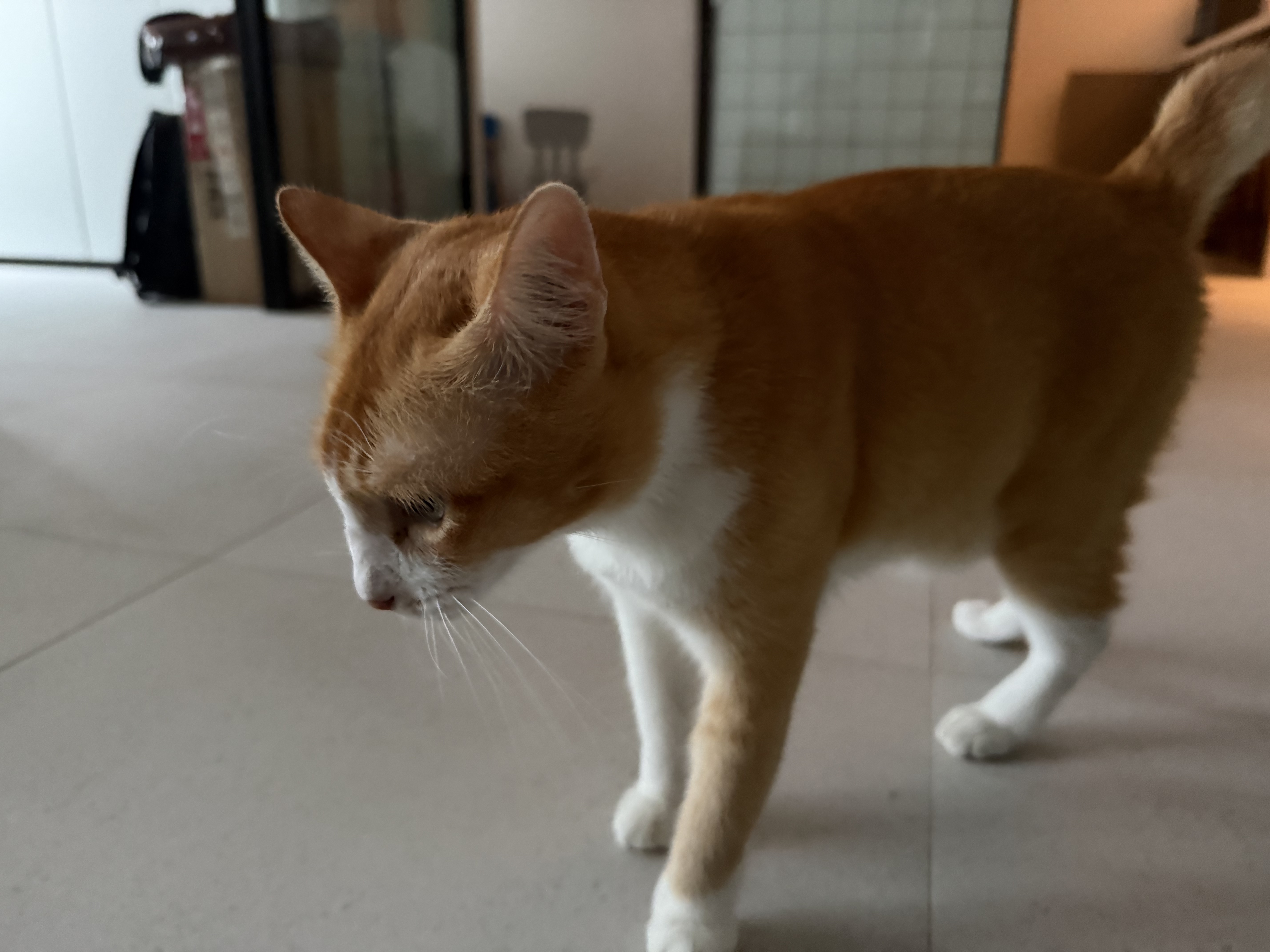
Cat stool odour is an important health indicator because it can communicate information about diet, gut function, and diseases that may be emerging. A “normal” odour should be mild with a sort of earthy smell, while “concerning” odours can be intense, or have a fermented or metallic smell. These odours can indicate issues like infections, poor absorption, or inflammatory bowel disease (IBD). Although it’s a bit gross, paying attention to these smells can help you catch problems early and prevent them from escalating into potentially chronic conditions. This article will help you gain a better understanding of what’s normal, what’s not, and when to seek veterinary attention in order to help your cat stay happy and healthy.
Normal Cat Poop Odour
Healthy cats have poops that smell strong but not overwhelmingly strong. They tend to have an earthy or ammonia-like scent because of the bacterial fermentation of protein and fibre that happens within the colon. With that in mind, scent can also vary between different cats because of diet, age, hydration, types of microbiota, and even stress levels. Kittens, for example, have milder smelling poops because of their immature guts, while dehydrated adults may have a more concentrated or pungent odour. High-protein diets can make the notes of ammonia stronger in stool because of amino acid breakdown. In general, if your cat eats a good-quality diet and drinks an appropriate amount of water, the smell of their poops shouldn’t be abnormal. Veterinarians note that healthy poops shouldn’t stink up the whole house. Rather, the odour should be contained to the litter box area after a few minutes.
What Causes Foul-Smelling Cat Poop?
Diet is a common culprit of malodorous cat poop and should be one of the first things checked on if the problem arises. Sudden switch-ups can upset the delicate balance of gut bacteria and can created fermented smelling poops. Low-quality diets with a lot of fillers and/or allergens can create greasy and rancid poops. Other intolerances, such as poor digestion of protein, can create strong-smelling and sulphurous stools. Another familiar offender is gastrointestinal infections. Overgrowth of bacteria, viral enteritis, or the presence of parasites (Giardia, coccidia, worms, etc.) can all inflame the gut and lead to rotten or putrid-smelling poop.
Digestive disorders have the potential to amplify the above-mentioned issues. IBD, pancreatitis, and malabsorption issues can all cause changes to the gut, affect the way food is digested and influence the way nutrients are absorbed. Because of this, they also commonly cause loose, oily and foul-smelling stools. Some medications like antibiotics wipe out all the beneficial bacteria in the gut, causing gas and worsened smells, while new supplements or probiotic mismatches can also cause temporary problems.
The last couple of points worth mentioning are swallowed indigestibles and stress. Toys, fabric, bones, or other consumed garbage can disrupt normal digestion and increase the spread of bad bacteria. Stress from routine changes, or the dynamics in a multi-pet household, has the opposite effect, speeding things up and causing diarrhoea. Both situations can lead to sharp or foul odours.
This section was written based on recent studies on feline faecal microbiota and insights from DVM Mike Paul.
When Odour Becomes a Red Flag
The following is a list of odours to be on alert for and what they could mean. Extremely pungent ammonia or sulphuric smells are common with protein overload and an unbalanced microbiome. Sour or fermented smells can be related to the poor absorption of carbohydrates or bacterial overgrowth in the small intestine. Metallic or bloody-smelling faeces can indicate ulcers, while rotten/decaying scents can suggest parasites or death of tissues. Any bad smells that persist even after making tweaks to your cat’s diet warrant an investigation for IBD. Overall, trust your nose. It knows when “bad” crosses into “urgent”.
This section was written following guidance from DVM Sandra C. Mitchell.
What Healthy vs Unhealthy Poop Looks Like (Odour Accompanied by Appearance)
When assessing your cat’s stool, it’s important not to base any judgments solely on smell. Pairing odour with visuals is best practice, and the Bristol Stool Scale is a great tool to have in your back pocket. Veterinarians agree that ideal stool types are either a 3 or 4 (smooth, well-formed logs) and should ideally correspond with a mild scent. A ‘7’ on the scale corresponds to very liquid diarrhoea and will often have a foul smell from the rapid transit of materials. Conversely, a ‘1’ refers to dehydrated, hard pebbles, so this can coincide with the concentrated scent of dehydrated cats mentioned above.
Colours are also important tell-tales, where medium to dark brown is the ideal range. Specialists note that black and tarry colours often indicate bleeding in the upper gastrointestinal system, whereas red streaks (fresh blood) are more directly caused by irritation of the colon. Both situations will likely be paired with a metallic smell. Yellow and greasy stools can point to fat malabsorption or liver/gallbladder problems. Another thing to check for is the presence of mucus, which can point to inflamed bowels and the presence of parasites. Overall, if your cat’s poop has an abnormal consistency for more than a few days and/or has a bad odour for more than a few days, you should consider it a red flag and bring your concern to your veterinarian.
How an Automatic Cat Litter Machine Helps Detect Odour Problems Early
Automatic litter machines are not only useful monitoring tools, but excellent odour erasers. The rapid sifting of waste prevents stool from sitting too long, slashing odour build-up from the heat and moisture, which makes bacterial smells worse in traditional boxes. By separating stool, automatic litter machines allow better visibility for inspecting colour, consistency and coatings before disposal, so you can directly link any visuals to suspicious scents.
The built-in sensors log defecation frequency and can alert you to spikes in usage, which are normally associated with GI upset. The frequency data can also help you correlate suspicious odours with diarrhoea, constipation, or other digestive issues. If you live in a house with more than one cat, smart litter machines are especially useful because they can identify which cat visited at what time (so no second-guessing which one of your cats had a bad bowel movement).
Aside from detection, the consistently hygienic environment of smart litter machines can help to reduce your cat’s stress and any stress-induced GI upset. Clean litter environments also reduce the likelihood of infection and recontamination from bacteria. In busy households, this tech can turn litter duty into proactive health intel, catching IBD flares or parasites weeks ahead of manual scooping.
How to Reduce Foul Odours at Home
If your cat has started to produce stools with questionable scents, one of the best places to begin to look is at diet. Try to prioritise diets that are high-quality and have highly digestible proteins. If you need to make any changes to your pet’s diet, make sure you do so gradually (over 7-10 days), and if you suspect your cat has an allergy, a hypoallergenic diet may be necessary. In other cases of foul-smelling stools, certain supplements may do the trick. Veterinarians note that probiotics can help restore GI balance, soluble fibres are useful for firming stools, and digestive enzymes can help tackle problems with absorption. Consult your veterinarian when making any major dietary changes or if you have any questions on what adjustments you might need to make.
Modifying your cat’s environment can also help reduce bad smells. Make sure you are scooping the litter box daily, and that the area around the box is well-ventilated. In terms of the litter itself, it’s best practice to use clumping clay, plant-based options, and carbon-infused formulas to prevent bad odours from taking hold. Finally, make sure your household is as stress-free as possible to slow the transit of material moving through your cat’s gut. Modifications you can make include having several quiet resting spots, a clear routine, lots of enrichment time, and multiple litter boxes if you have multiple cats. Overall, specialists advise that a well-balanced diet, exercise, regular check-ups, and up-to-date vaccines/parasite control are the best measures you can take to keep your cat’s bowel movements regular and healthy.
When to Consult a Vet
If your cat has persistent diarrhoea or very strong odours that last 24-48 hours, you should bring your cat into the vet as soon as possible because it could be a sign of infection or a microbial imbalance. Research shows that blood, mucus, weight loss, vomiting, or a reduction in appetite can signal problems like IBD, pancreatitis, or neoplasia, so you should never wait if you notice any of these symptoms appear. Kittens and senior cats need an extra close eye because of their vulnerability to disease, weakened immune systems, and the potential for problems to get worse fast. Once you arrive at the vet, you can expect your cat to have a physical exam, a faecal analysis, and bloodwork for diagnosis. In specific cases, imaging and/or endoscopy may be recommended.
Conclusion
Even though stool odour is sort of an unpleasant topic, it’s still important to discuss because it can be critical in monitoring your cat’s health and highlight issues such as IBD, malabsorption, infections, or parasites. Automatic litter machines can support both you and your cat by detecting problems early, tracking stools in multi-cat households, and keeping the litter environment clean. Keep in mind that strong-smelling stools should never be overlooked, as they can point to problems that require a visit to the vet. By monitoring stool odours daily and using automatic litter machines for early detection, you can catch any potential health problems early on, keeping your cat comfortable, your home fresher, and vet bills lower.

Sources:
https://www.petmd.com/cat/general-health/what-should-my-cats-poop-look-like
https://pmc.ncbi.nlm.nih.gov/articles/PMC8875498
https://www.pethealthnetwork.com/cat-health/cat-diseases-conditions-a-z/why-do-my-cat’s-stools-smell-so-bad
https://hjcam.hcavs.gr/en/v7-i1-bacterial-population
https://vetster.com/en/wellness/how-to-recognize-normal-and-abnormal-stool-in-cats
https://www.msdvetmanual.com/digestive-system/diseases-of-the-small-intestine-in-small-animals/malabsorption-syndromes-in-small-animals
Disclaimer: Grin Like Cheshire is not affiliated with the featured brands and trademark rights remain the property of their respective owners. When in doubt about your pet’s health and well-being, always consult your vet — early detection makes all the difference.