
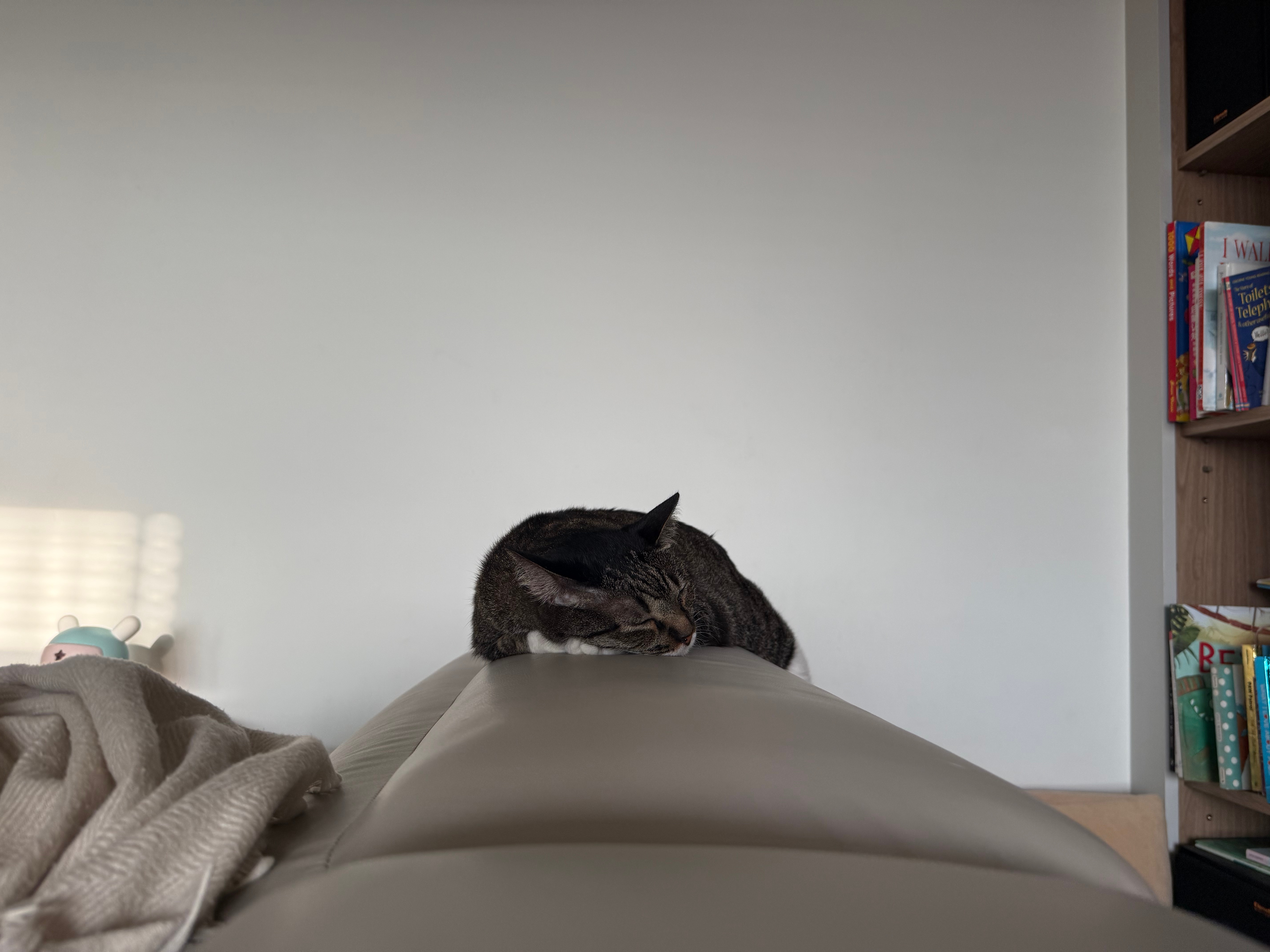
The urinary system is a vital system in felines that serves many functions, notably filtering the blood and excreting waste in the form of urine, maintaining water and electrolyte balance in the body, and producing erythropoietin and renin, which play essential roles in blood cell production and blood pressure regulation, respectively.
The urinary system consists of the upper and lower urinary tracts. Important organs and parts of the urinary tract include the kidneys, ureters, urinary bladder, and urethra.
Kidneys are located in the retroperitoneal region and consist of an outer renal cortex and an inner renal medulla, which filter blood through the functional unit, the nephron, by three mechanisms: glomerular filtration, tubular secretion, and tubular reabsorption.
Ureters are the pair of tubes connecting the kidneys to the urinary bladder and carry urine from the kidneys to the bladder for temporary storage.
The urinary bladder is a muscular, sac-like structure that stores urine until it is excreted from the body.
The urethra is a tube that carries urine from the bladder to the outside of the body.
How Urine Is Formed and Eliminated
Functional units of the kidney called nephrons produce urine by filtering blood that enters them via afferent arterioles. The nephron forms urine by glomerular filtration, which is a function of the glomerulus; tubular secretion by proximal convoluted tubules; and tubular reabsorption by the ascending loop and distal convoluted tubules. The urine formed is transported to the renal pelvis, from which the ureters drain it into the urinary bladder. In the bladder, it is stored for a short period of time and then eliminated from the body through the urethra.
Why Cats Are Prone to Urinary Issues
Cats are susceptible to urinary infections from dirty litter boxes and playing in dirty places, which contribute to the urinary issues. In addition, the anatomy of male cats makes them prone to urinary problems.
What FLUTD Encompasses
Feline lower urinary tract disease is an umbrella term encompassing conditions affecting the lower parts of a cat’s urinary system, including the ureters, urinary bladder, and urethra.
Why Early Recognition Is Critical
It’s one of the highly disturbing medical conditions in feline species, which may be problematic for both pets and owners, so early detection and recognition are very crucial to nip it in the bud.
What Is FLUTD?
Definition and Scope
FLUTD is an acronym that stands for feline lower urinary tract disease. It is a common term for diseases and conditions affecting the lower part of the feline urinary system, such as the ureters, urinary bladder, and urethra. Obstruction, micturition, inflammation, infections, and noninfectious conditions fall in this category.
Acute vs. Chronic Presentations
It can be both acute and chronic; acute conditions present severe symptoms that may require immediate referral to a veterinarian, while chronic conditions show gradual signs that may persist for a long time.
How FLUTD Differs from a Simple UTI
FLUTD refers to the conditions resulting from infections, inflammations, injuries, and mechanical blockages. On the other hand, UTIs include only infections caused by infectious agents.
Common Causes of FLUTD
Feline Idiopathic Cystitis (FIC)
What “Idiopathic” Means: “Idiopathic” means whose cause is unknown.
Inflammation Without Infection
Feline idiopathic cystitis is an inflammatory condition of the bladder in cats that is not caused by infection, but whose cause is unknown; hence, it is termed “idiopathic.” It causes the bladder to swell and obstruct urine flow, leading to difficulty.
Stress as a Major Trigger
Stress and diet have been implicated in the development of this condition.
Urinary Crystals
Urinary crystals are microscopic structures formed when different components combine in the urine, which may lead to stone formation and, consequently, block urine flow.
Struvites are magnesium ammonium phosphate crystals, which are most common in cats, especially in those cats who eat dry foods. Calcium oxalate crystals are a combination of calcium and oxalate waste in urine.
Uroliths (Bladder Stones)
Types of Stones
·Urolithiasis, or urinary bladder stones, are big crystals that are a combination of smaller crystals. The most common types of stones are struvite and calcium oxalate.
When Stones Become a Surgical Concern
Struvite stones are not stubborn and can be broken down by medication, dietary changes, and waves, but calcium oxalate stones offer formidable resistance, for which surgery is recommended.
Urethral Obstruction
Partial vs. Complete Obstruction
Urethral obstruction is the blockage of the urethra by stones. In partial obstruction, the urethral lumen is not entirely blocked; urine can pass, but only with difficulty and straining, while in complete obstruction, the entire lumen is blocked and urine passage ceases altogether.
Why Male Cats Are at Higher Risk:
Male cats are at higher risk as compared to females because of their long and fragile urethra extending from the bladder to the exterior, which crystals and stones may block.
Life-Threatening Implications:
Complete obstruction is a life-threatening condition if it persists for some time.
Urinary Tract Infection
Less Common in Young Cats
Urinary tract infection is also a common cause of FLUTD in cats; microorganisms enter the urinary tract through the bloodstream or the urethra, leading to infection. Older cats are more susceptible than younger ones owing to weak immunity.
Underlying Causes (e.g., diabetes, kidney disease)
Underlying health conditions such as diabetes and kidney disease favour the growth of infectious agents.
Anatomical Abnormalities
Congenital Issues
Any anatomical changes or defects, whether present at birth or acquired, can lead to urinary tract disorders.
Age-Related Changes
As cats get older, anatomical changes develop, making them prone to urinary tract diseases.
Symptoms of FLUTD
1. Straining to Urinate
It becomes difficult for cats to urinate with ease if they are having FLUTD issues.
2. Frequent Attempts with Little Output
Cats try to pass urine completely, but they cannot do that; frequency of urination increases with little quantity.
3. Blood in the Urine
When they pass urine, blood also comes out mixed with urine.
4. Crying in the Litter Box
Due to difficult urination, cats cry while passing urine.
5. Urinating Outside the Litter Box
They become undisciplined and urinate outside the litter box.
6. Excessive Genital Grooming
Cats touch and groom their genital areas a lot because of pain and discomfort.
7. Signs of Complete Obstruction (Emergency Red Flags)
When cats become unable to pass urine, it is the most dangerous sign of complete urethral obstruction.
How FLUTD Affects the Cat’s Urinary System
Inflammation of the Bladder Wall
If cats are experiencing FLUTD, the urinary bladder is also at risk of getting inflamed.
Pain and Discomfort Affecting Behaviour
FLUTD causes pain in the lower parts of the urinary system, which affects routine behaviour.
Reduced Urine Flow and Risk of Crystals Forming
Urine passage and flow decrease due to problems in the lower urinary tract; because of less urine flow, chances of crystallization increase.
Kidney Stress and Systemic Complications
Stress on the kidneys increases, and functional capacity reduces, which builds up pressure on systemic circulation.
The Dangerous Progression to Obstruction
A mild form of FLUTD can progress to obstruction of the urinary tract that is fatal and life-threatening to the cats.
Risk Factors for Developing FLUTD
Stress and Environmental Changes
Anxiety and changes in the environment may lead to urinary problems.
Obesity and Low Activity Levels
A sedentary lifestyle and an obese body also predispose cats to FLUTD.
Low Water Intake
Reduced water intake is a risk factor for developing FLUTD.
Dry Food Diets
Taking excessive dry feeds containing high calcium and magnesium content.
Multi-Cat Household Tensions
Housing multiple cats in close proximity may prompt FLUTD conditions.
Genetic Predisposition
Some cat breeds are more prone to FLUTD
Diagnosing FLUTD
Physical Examination: For diagnosing FLUTD in cats, physically examine and look for the visible signs and behavioural changes.
Urine Analysis: Urine analysis reveals the metabolic and functional status of the urinary system.
X-rays and Ultrasound: Imaging techniques like X-rays and ultrasound depict internal structure and minor details of the inside environment.
Culture Tests to Rule Out Infection. To detect specific infectious agents, a urine sample can be cultured, providing precise information about infections.
Bloodwork for Complications: Blood tests are available to rule out blood-borne infections and the presence of crystal-causing metabolites.
Treatment Options
For Idiopathic Cystitis
Pain Relief: Analgesics and anti-inflammatory medicines to relieve pain can be given to the cats with idiopathic cystitis.
Environmental Modification: Bring environmental changes and improve surroundings to reduce stress and anxiety.
Increasing Water Intake: Daily water intake should be enhanced by offering plenty of water and providing thirst-provoking diets.
For Crystals and Stones
Prescription Diets: Crystals and stones are deleterious, which may progress to irreversible loss and mortality, for which prescribed diets by a veterinarian should be used.
Dissolution of Struvite Stones: Struvite stones are not stiff and can be dissolved by medicines and diet regimens.
Surgical Removal if Necessary: Some stubborn stones are complex enough that surgical removal remains the only option.
For Infections
Antibiotic Therapy: Antibiotics are available for treating urinary tract infections and infectious conditions arising from changes in normal flora.
Follow-Up Testing: The testing schedule should be followed to eliminate the chances of recurring urinary tract diseases.
For Blockages
Emergency Catheterization: Obstruction and anuria can only be managed by inserting a catheter into the bladder through the urethra. It averts the danger of bladder rupture.
Fluid Therapy: Fluid and replacement therapy must be considered as an option to deal with emergencies.
Hospitalization: Critical cases should be treated with urgency, and the patients should be hospitalized if they need monitoring and critical care.
Surgical Options (Perineal Urethrostomy): Severe blockage can be managed by creating a permanent route through the urethra; this surgical procedure is called urethrostomy.
Long-Term Management and Prevention
Diet Adjustments
Provide prescribed diets, which are helpful for the cats experiencing urinary tract issues. Diets should be adjusted according to performance level and the urinary system’s competencies. Calcium, magnesium, phosphate, and other stone-forming mineral-rich diets must be avoided; only the required minerals should be offered.
Litter Box Optimization
Clean the litter box regularly and optimize it for comfort to reduce stress and anxiety.
Reducing stress in the Home
A stress-free environment is essential for the cats to thrive and live a healthy and happy life.
Encouraging Hydration (Fountains, Wet Food)
Always try to keep pets well hydrated by offering free water at all times. Water intake should be encouraged to minimize the formation of urinary crystals and stones.
Weight Management
Overweight and obesity may predispose cats to various urinary problems. Weight should not exceed the normal limits, as obesity causes many health issues, such as heart problems, circulatory issues, diabetes, etc.
Regular Veterinary Check-Ups
The health of your cat should be regularly checked and monitored to prevent the development of any emergency health conditions.
When to Seek Immediate Veterinary Care
Signs of Complete Urinary Obstruction: Immediate veterinary assistance should be sought if signs of urinary obstruction are observed. Treat this condition as a priority; otherwise, it may progress to a point of no return.
Sudden Inability to Pass Urine: When your cats experience difficulty while passing urine or they try hard but urine does not come out, seek immediate veterinary care by visiting vets.
Collapse, Vomiting, or Distress: If you observe your cat with sudden vomiting, fainting, collapse, or painful feelings, you must visit a veterinary hospital and seek veterinary intervention.
Why Waiting Can Be Fatal: Delay in treating cats with FLUTD can be dangerous and life-threatening because, in acute cases, there are chances of bladder rupture and backflow of contaminated urine to the kidneys, which causes infections and inflammation in the ureters and kidneys.
Conclusion
Urination and urinary behaviors of cats should be observed, as this offers many clues regarding the urinary health of your feline pets. If feline lower urinary tract diseases are not treated earlier, they may persist for a longer duration of time and become a chronic health concern. Early detection of urinary abnormalities before progressing to an irreversible stage can save lives by snapping at the nascent and innocuous levels.

Links for references:
https://www.petmd.com/cat/conditions/urinary/feline_idiopathic_lower_urinary_tract_disease
https://www.avma.org/resources-tools/pet-owners/petcare/feline-lower-urinary-tract-disease
https://www.mountpleasant.com.sg/education/cat-urinary-problems
https://www.msdvetmanual.com/urinary-system/noninfectious-diseases-of-the-urinary-s
https://pmc.ncbi.nlm.nih.gov/articles/PMC10822222/ystem-in-small-animals/lower-urinary-tract-disease-in-cats
https://www.veterinary-practice.com/article/the-frustrations-of-feline-lower-urinary-tract-disease
Note: Disclaimer: Grin Like Cheshire is not affiliated with the featured brands and trademark rights remain the property of their respective owners. When in doubt of a medical situation, always consult your vet — early detection makes all the difference.