
-
Cat Stool Colors: What Different Shades Reveal About Your Cat’s Health
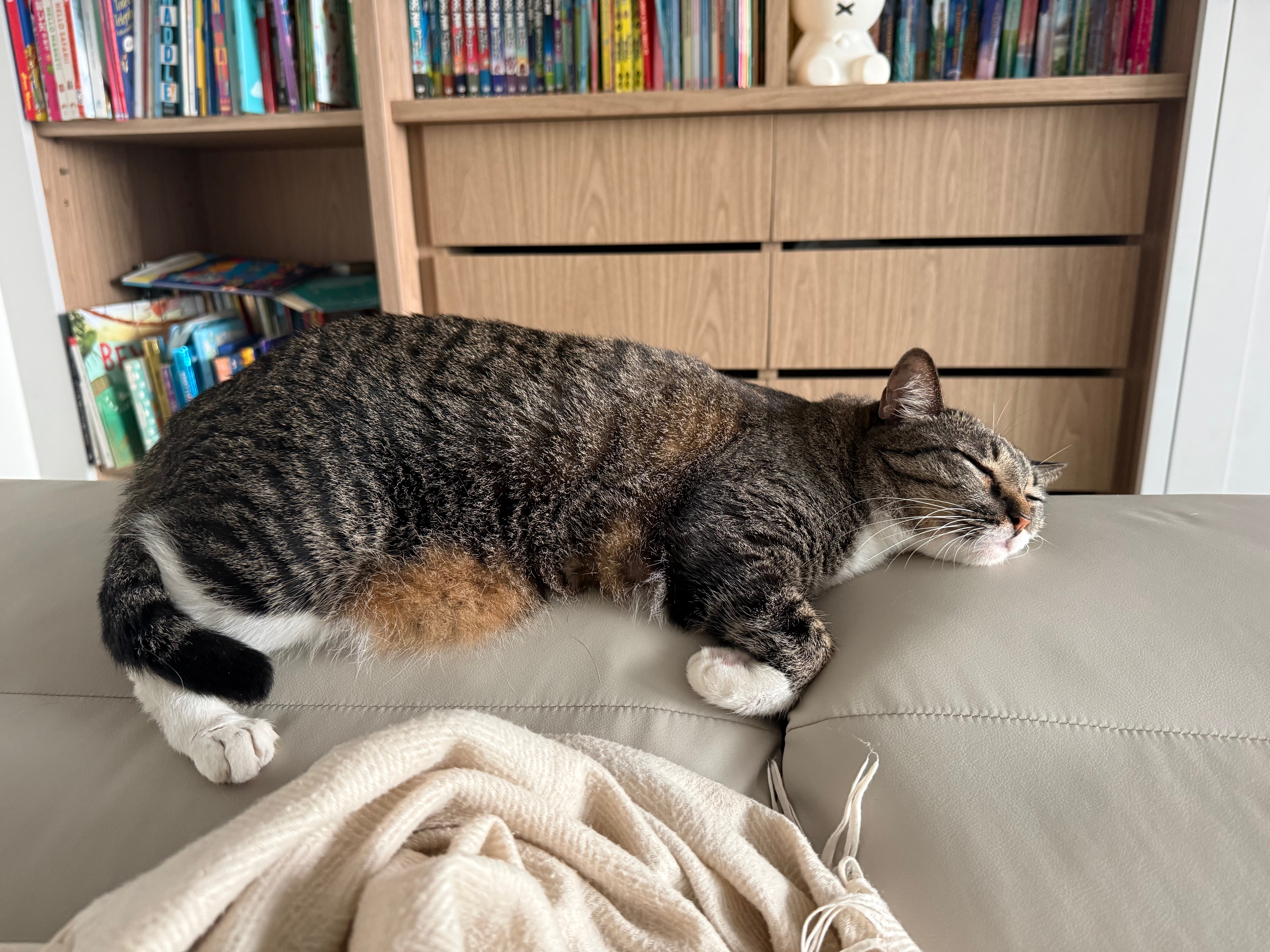
Many of us adore our cats, but for most, cleaning the litter box isn’t exactly the most enjoyable activity. However, this simple habit offers us a direct window into our feline’s digestive health. If our cat uses a litter box, it’s easier to observe changes in colour, consistency, smell, and defecation frequency. Although there’s a…
-
Kidney Disease in Cats: Causes, Symptoms, and Treatment

Kidney disease has been suggested to be one of the most common chronic diseases in cats, particularly in those of an older age. Because the disease develops slowly, most cats will appear healthy for many years while their kidneys begin to deteriorate. Paired with the fact that cats are masters at masking signs of illness, this makes…
-
Understanding the Feline Urinary System
The urinary system is a vital system in felines that serves many functions, notably filtering the blood and excreting waste in the form of urine, maintaining water and electrolyte balance in the body, and producing erythropoietin and renin, which play essential roles in blood cell production and blood pressure regulation, respectively. The urinary system consists of…
-
Frequency of Your Cat’s Bowel Movements: How Often Should Do Their Business and What Affects Their Routine

I’ll never forget Milo, a four-year-old shorthair brought in after three days without a bowel movement. His owners weren’t panic-stricken at first; they figured skipping a day or two was just a quirk. Little did they know, Milo was constipated because he was dehydrated and had no fiber in his diet. But, after we adjusted…
Activity, Auto Cat Litter Box, Auto Cat Litter Machine, Behaviour, Bowel Movement, Cat, Cleanliness, Dehydration, Diagnosis, Diet, Early Intervention, Emergency, Environment, Frequency, Habits, Hydration, Hygiene, Kitten, Lifestyle, Multi-pet, Nutrition, Routine, Senior, Stool, Stress, Treatment, Veterinary -
Parasites and Cat: Common Parasites in Cats & How They Can Affect Bowel Movements
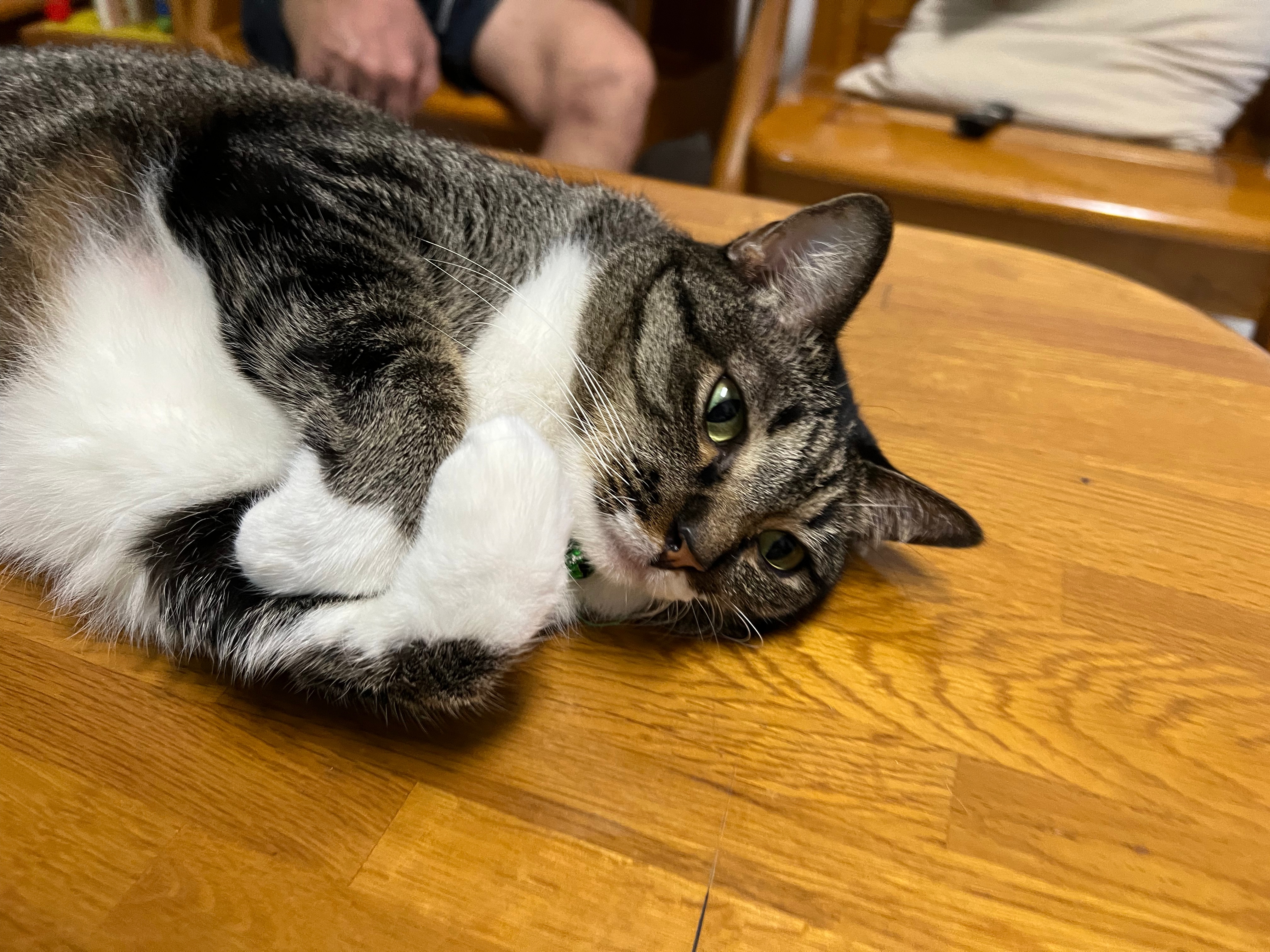
Why Parasites Are Common in Cats 1. Grooming behaviour: serves to maintain the hygiene of the fur and skin. However, this increases the risk of exposure to flea and tick eggs, as well as eggs or larval stages of intestinal parasites. 2. Hunting behaviour: by ingesting their prey such as small rodents or birds, cats…
-
Straining in the Litter Box: Why Cats Strain and When to Worry

Straining behaviour is never normal in cats. Often, it can be attributed to minor discomforts, which can be easily managed, but in rarer cases, it has the potential to become life-threatening within hours.
Whatsapp +65 8044 4486