
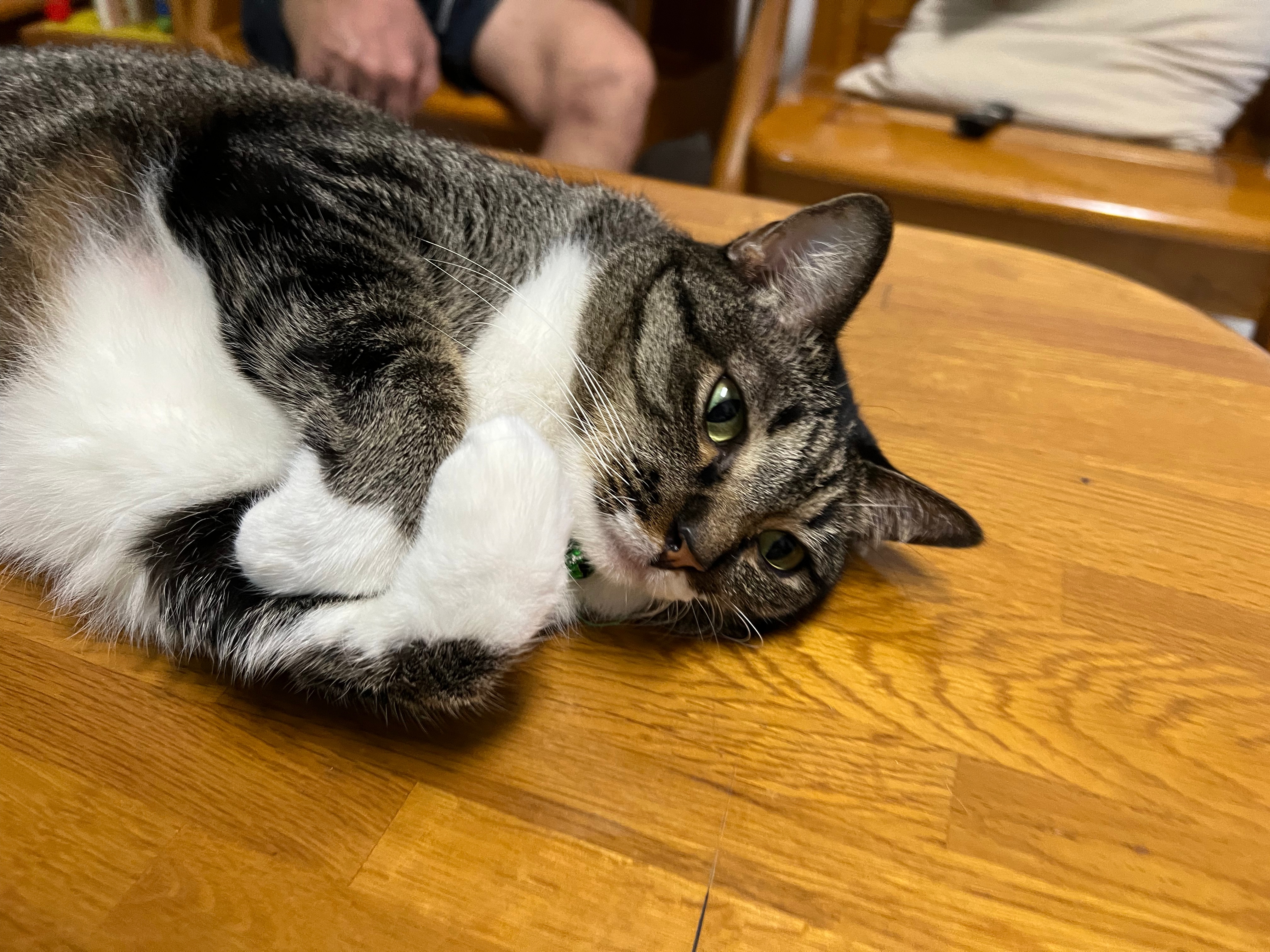
Why Parasites Are Common in Cats
1. Grooming behaviour: serves to maintain the hygiene of the fur and skin. However, this increases the risk of exposure to flea and tick eggs, as well as eggs or larval stages of intestinal parasites.
2. Hunting behaviour: by ingesting their prey such as small rodents or birds, cats can become contaminated with gastrointestinal parasites. This risk is higher in cats with outdoor lifestyles due to contact with contaminated soil or contact with the faeces of an infected animal, both common in outdoor spaces with multiple animals.
3. Multi-pet households (shelters, catteries and breeders) have a high risk of cross-contamination by gastrointestinal parasites due to the sharing of litter boxes, beds, and grooming habits.
4. Low levels of regular prophylaxis with internal and external deworming products.
5. Exposure to external parasites (fleas): fleas are very prevalent and act as vectors for parasites such as tapeworms and Bartonella.
6. In young or immunocompromised animals, the prevalence of gastrointestinal parasite infestations is higher due to the fragility of their immune system.
How Parasites Influence Digestive and Bowel Health
The presence of gastrointestinal parasites disrupts the normal functioning of the digestive system because these agents cause inflammation and release enterotoxins. The inflammation caused by the parasites damages the intestinal mucosa, leading to malabsorption, dysbiosis, and possible intestinal bleeding in more severe cases.
Understanding Intestinal Parasites in Cats
What Parasites Are and How They Infect Cats
An organism that is physiologically and metabolically dependent on another organism (the host) is called a parasite. The parasite uses the host for its development and survival during one or more stages of its life cycle. Worms and arthropods are examples of multicellular parasites, while protozoa are examples of single-celled parasites.
There are several ways the disease can be transmitted, the most common being the faecal-oral route through the ingestion of larvae present in the environment, from infected rodents or birds, or contaminated water. Infection can also occur through the ingestion of raw or undercooked meat. Vertical transmission from mother to kitten during nursing is also possible, as is the penetration of larvae through the skin.
Indoor vs. Outdoor Cats: Risk Differences
There are significant differences regarding the potential risk of intestinal parasitism in cats with an indoor or outdoor lifestyle.
Cats that have the freedom to roam and/or unrestricted access to the outdoors and direct contact with other cats (outdoor cats) are more likely to be infected due to their hunting behaviour with possible ingestion of rodents or other prey. In addition, they also have a higher risk of drinking contaminated water. This lifestyle also increases the risk of flea infestation, which are also vectors for the transmission of intestinal parasites, namely tapeworms. On the other hand, cats that live exclusively indoors or only have access to a fenced yard or garden (indoor cats) have a low risk of contracting intestinal parasites. However, it’s important to recognise that the risk exists, as fleas can still appear indoors, litter boxes may be shared with an infected cat, and parasites can be brought in by a newly adopted animal.
Common Parasites That Affect Cat Poop
Roundworms (Toxocara, Toxascaris)
Toxocara is an intestinal worm that can cause disease in young cats. Toxascaris is a mutually transmissible roundworm that affects both dogs and cats, unlike the previously described roundworm that are specific to cats. This parasite occurs less frequently than the Toxocara spp and is likewise less harmful. The cats became infected through the ingestion of embryonated eggs from soil, larvae in milk or paratenic hosts.
The initial indicator of infection in young animals can be lack of growth and cachexia. Infected cats can have a dull coat and enlarged abdomen. Intestinal obstruction or intussusceptions may result from a high worm population. Worms may be vomited or discharged in the faeces, which can be diarrheic with mucus. Occasional pneumonia can occur in kittens.
A special zoonotic risk comes from the widely present Toxocara spp. roundworms: after oral consumption of infective eggs, the larvae can undertake a somatic migratory (larva migrans complex). Serious health issues may arise if larvae get stuck in the human eye, nerve tract, or brain during migration. These factors make Toxocara spp. infections in dogs and cats of all ages worth considering and it’s critical to maintain proper hygiene in potentially contaminated places and near sick cats. This includes washing hands and frequently removing of faeces.
Tapeworms (Dipylidium, Taenia)
Cats are frequently infected with the tapeworm Dipylidium caninum. The intermediate hosts are fleas and cats become ill when they consume the infected insects. The small intestine of the cat is where the adult tapeworm develops. Dipylidium is zoonotic and if people swallow infected fleas, they can get infected, although this is unusual.
Dipylidium infection is rarely linked to clinical symptoms. An animal may get restless and rub its bottom along the ground due to anal discomfort (pruritus) caused by the mature segments exiting the anus. However, high worm burdens can also contribute to minor intestinal blockages and, particularly in young animals, to inappetence or diarrhoea.
Taenia is also a tapeworm and the cats become infected by ingestion of larvae in rodents and other intermediate hosts. The infected cat is mostly asymptomatic but sometimes can have anal pruritus. The proglottids are grossly visible and taeniid eggs can be found in the faeces by flotation techniques using solutions with higher specific gravity.
Hookworms (Ancylostoma and Uncinaria )
Hookworms are small nematodes that inhabit the small intestine. Cats become infected by ingestion of larvae from soil, by eating infected rodents and some by percutaneous infection thus making their way to the intestine. The parasites feed from the intestinal mucosa damaging the wall to obtain nutrients and causing diarrhoea that might contain blood, weight loss and anaemia. Because of the blood the faeces may be dark with a tar-like appearance.
Whipworms (less common in cats)
Whipworms are an uncommon parasite of cats. A severe infection can lead to diarrhoea with bloody, mucus-filled stools and result in weight loss.
Giardia and Tritrichomonas foetus
Giardia is a global, ubiquitous protozoal parasite that affects both people and animals, such as cats and dogs. The parasite is common in densely populated places such as kennels, pet shops and animal shelters. The infection causes persistent intermittent pasty diarrhoea rich in mucus, anorexia, vomiting, weight loss and lethargy, particularly in immunocompromised animals, puppies/kittens with concurrent illnesses or stressed animals (densely populated shelters) and young cats after weaning. Kennel settings should be routinely cleaned, dried, and disinfected to reduce cyst contamination and risk of re-infection. Before reintroducing new pets, the areas should be left to dry for 48 hours. Bedding should be washed at 60°C or above. Although Giardia is considered a zoonosis, the risk of transmission from cats to humans is very low.
Tritrichomonas foetus has been identified as a cause of chronic large bowel diarrhoea in cats with blood and/or mucus and faecal incontinence with irritation and pain around the anus.
Coccidia – Cystoisospora spp.
The genus Cystoisospora is host-specific – Cystoisospora felis and C. rivolta infect cats. Infection commonly takes place via the faecal–oral route by the ingestion of sporulated oocysts. Cystoisospora species are widespread, and their oocysts may be present in the faeces of both subclinically infected and clinically ill animals. Initial infections typically occur during the suckling period, between three and eight weeks of age. As a result, most clinical cases are identified in puppies and kittens aged 2–4 months. The oocysts remain infective in the environment for several months and can accumulate in breeding kennels or catteries where many susceptible hosts are present. Cystoisosporosis commonly causes diarrhoea in puppies and kittens. In severe infections, the faeces may contain blood, and the condition can lead to significant illness or even death. Maintaining strict personal hygiene is essential for anyone handling animals to prevent the spread of oocysts through faecal material to cats, dogs, or paratenic hosts.
How Parasites Affect Bowel Movements
Changes in Stool Appearance
Cat faeces are brown in colour, firm and well-formed. Any change to the colour or consistency should indicate a problem. Changes in stool caused by gastrointestinal parasite infection depend on the type of parasite causing the infection and its severity. It also depends on the animal’s immune status and age, with symptoms being more severe in very young, elderly, or immunocompromised animals. The appearance of the stool can vary between loose stools or watery diarrhoea. The stool may contain blood, mucus, or even adult parasites or proglottids and may have a characteristic smell.
Changes in Frequency
Typically, diarrhoea caused by intestinal parasites have characteristics of small intestine diarrhoea such as: normal or slightly increased frequency of defecation, normal to increased faecal volume, may have blood in the faeces, sometimes mucus, can cause weight loss, absence of tenesmus and urgency to defecate. In severe cases of parasitism an intestinal obstruction can occur.
Systemic Signs Related to Digestive Issues
Cats with gastrointestinal problems may exhibit systemic signs such as weight loss, poor growth and thin body condition, vomiting, lethargy, diarrhoea, and a variable or even complete lack of appetite.
Diagnosing Parasitic Infections
Laboratory Testing
- Faecal Floatation: is used to identify helminth eggs and protozoan cysts or oocysts that are lighter than the flotation solution. When a faecal sample is mixed with a solution of known density, the parasitic stages with lower specific gravity rise to the surface, while heavier debris settles or stays suspended.
- Combined sedimentation–flotation method: with this technique, parasite stages initially settle in water to form a sediment and then rise when placed in a flotation solution of higher specific gravity. This combined approach offers improved sensitivity because it allows examination of a larger amount of faecal material—up to 20 grams.
- PCR Testing: faecal samples are also directly used for detection of DNA parasitic stages
- Coproantigen tests and other antibody-guided parasite detection assays: commercial kits for performing the flotation procedure are available to facilitate faecal examination. They are appealing because they are user-friendly and are a hygienic way of handling and examining faecal samples.
- Identifying Eggs, Oocysts, or Proglottids by microscopic examination.
Physical Examination Findings
Physical examination may reveal changes such as dehydration, irritation around the anus, failure to thrive, poor body and coat condition and a pendulous and painful abdomen.
Treatment Options
Deworming Medications
Broad-Spectrum Dewormers
- Pyrantel pamoate – very effective for Toxocara and Toxascaris species.
- Fenbendazole – effective against many gastrointestinal nematodes.
- Milbemycin oxime – effective against many gastrointestinal nematodes.
- Moxidectin and Selamectin – available in oral or topical formulations.
Parasite-Specific Treatments
- Fenbendazole (higher dose) or metronidazole – effective against Giardia
- Toltrazuril – for treatment of Cystoisospora
Supporting Digestive Recovery
- Hydration and rehydration solutions: in cases of severe diarrhoea, cats may become dehydrated, making adequate fluid intake essential. It is recommended to offer an appropriate electrolyte solution instead of plain water to help maintain proper hydration.
- Probiotics are beneficial live bacteria that can be added to the diet, while prebiotics support the growth of healthy gut microbes. Together, they may aid in managing diarrhoea by promoting better intestinal health.
- Diet: highly digestible diet is often helpful in managing diarrhoea regardless of the underlying cause.
Preventing Parasite Infections
Regular Deworming
- Kittens should be treated for roundworms every two weeks starting at 3 weeks of age until they reach 8 weeks, and then once a month until they are 6 months old.
- Adult cats (over 6 months) should receive treatment every 1–3 months, depending on their level of risk, which is influenced by factors such as outdoor access and hunting habits.
- For adults, a deworming product that targets both roundworms and tapeworms should be used at the same 1–3 month interval when the risk is higher.
Flea Control
- Kittens with fleas should also be given a product effective against Dipylidium caninum.
- Environmental Cleaning Tips: maintain flea control, vacuum rugs, carpets and beds, use environment flea control products and treat every animal in multi-pet households.
Litter Tray Hygiene: The safe disposal and cleaning of animal faeces is essential for preventing transmission between cats and should be done daily.
Safe Environment Practices
Cats should be kept away from rodents, animal carcasses, and livestock placenta or aborted foetuses to reduce the risk of parasite exposure, and they must always have access to clean drinking water.
Feeding commercial diets or properly cooked food helps prevent parasite infections that can be transmitted through raw meat.
Regular collection and disposal of faeces, along with good hygiene practices such as thoroughly cleaning between litters of kittens, are important preventive measures.
These actions should be combined with appropriately timed anthelmintic treatments tailored to the needs of each cat or group of cats.
When to See a Vet
A proper veterinarian examination is advised if a cat has persistent diarrhoea, visible worms in the stool, blood or black tar-like faeces, unexplained weight loss or vomiting, or experiences recurring infections.
Conclusion
Parasites can greatly affect stool quality and digestive health, so prevention and early treatment are essential to protect both cats and humans. This can be achieved by deworming pets regularly (at least four times a year or as advised by a veterinarian), practicing good personal hygiene, encouraging collaboration between veterinarians and pet owners to reduce zoonotic risks, and maintaining a clean environment by routinely removing pet faeces and monitoring litter habits for early detection of problems.

Links for references:
1. https://www.vet.cornell.edu/departments-centers-and-institutes/cornell-feline-health-center/health-information/feline-health-topics/gastrointestinal-parasites-cats-brochure
2. https://icatcare.org/articles/diarrhoea-in-cats
3. https://icatcare.org/articles/tritrichomonas-foetus-infection-in-cats
4. https://icatcare.org/articles/toxocara-cati-in-cats-and-people
5. https://www.esccap.org/
6. https://capcvet.org/
Disclaimer: Grin Like Cheshire is not affiliated with the featured brands and trademark rights remain the property of their respective owners. When in doubt, always consult your vet — early detection makes all the difference.