
-
Renal Amyloidosis in Cats: Understanding a Rare but Serious Kidney Condition
Renal amyloidosis is a kidney disease that relates to the deposition of abnormal proteins in the kidney tissues. This disease is rare in cats, especially when compared to Chronic Kidney Disease (CKD), but it is still very dangerous due to its rapid progression and its effects on the kidneys’ function. Symptoms of renal amyloidosis in…
-
Cat Constipation: Explain the Causes, Symptoms, and Treatment of Constipation in Cats

Constipation is a medical condition often experienced by cats, which is defined as difficulty in the passing of urine due to disturbance in bowel movement or improper composition of stool. It also includes when your cats defecate infrequently, or sometimes there will be no production of poop at all. Why Prompt Attention Is Important: Constipation…
-
What Causes Sudden Changes in Litter Box Habits?

Veterinary organizations say that when a cat’s litter box habits change, the owner should think of it as a warning sign that something might be wrong with the cat’s health or behavior.
-
pH Levels in Cat Urine: How Urinary Acidity Influences Feline Health and Diet
Urinary pH in felines is one of the most important indicators of health and overall metabolic status, providing insights into dietary intake and the body’s response to the diet. As a pet owner, you should be aware of the pH levels of your feline buddy. Why Urinary pH Matters in Cats: Cats are carnivorous animals…
Acidity, Alkalinity, Auto Cat Litter Box, Auto Cat Litter Machine, Behaviour, Bladder Stones, Cat, Diagnosis, Diet, Feline, Feline Lower Urinary Tract Disease, FLUTD, Health, Healthy, Litter Box, pH Level, Treatment, Urinary, Urinary Crystals, Urinary Tract Infection, Urinate, Urine, UTI, Veterinary -
The Hidden Dangers of a Dirty Litter Box

A Guide to Understanding the Risks and Protecting Your Cat’s Health Many cat owners know that one of the most challenging parts of owning a cat is scooping their litter box every day. For some, they hate doing this chore but it is one of the most important things a cat owner should do to…
Allergies, Ammonia, Anxiety, Auto Cat Litter Box, Auto Cat Litter Machine, Bacteria, Behaviour, Cat, Constipation, Danger, Dirty Litter Box, Dust, Feline Lower Urinary Tract Disease, Health, Hygiene, Litter Box, Megacolon, Parasites, Respiratory, Ringworm, Stress, Toxoplasmosis, Urinary Crystals, UTIs, Zoonotic -
All About Litter Compatibility
With how busy cat owners are nowadays, automatic litter boxes are now a must-have to save time on cleaning after their cats. However, like any other tool in the market, these litter boxes should be used with the right accessories and materials. In this case, you need to use the right type of litter. Picking…
-
Stress-Related Urination: How Stress or Changes in a Cat’s Environment Can Lead to Changes in Urination Behaviour
In humans and animals alike, stress can affect many different physiological processes. Urination, for example, is affected because the bladder itself is highly sensitive to the body’s stress response. Nerve signals, muscle tone, and inflammation levels are all altered when an animal is under a state of stress, so it’s no wonder that this can…
-
Is Your Cat Drinking Enough? The Essential Link Between Hydration and Bowel Regularity
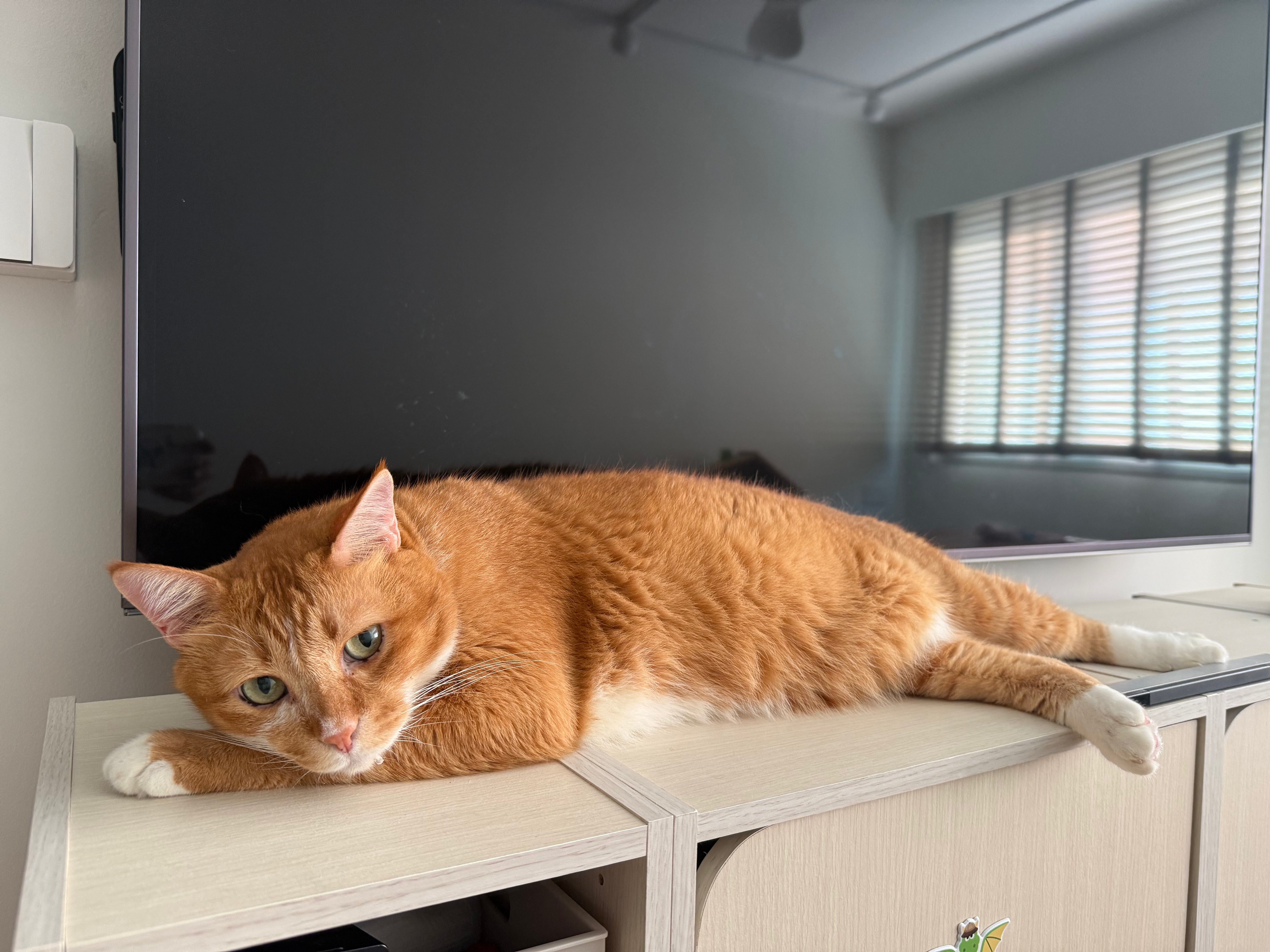
Just like all animals, hydration plays a critical role in your cat’s overall health. From keeping organs functioning to maintaining proper energy levels, adequate water intake should not be overlooked. Because their ancestors originated from the desert, modern domesticated cats still exhibit a lower thirst drive. Veterinarians note that this results in a tendency to consume less…
-
Cat Stool Colors: What Different Shades Reveal About Your Cat’s Health
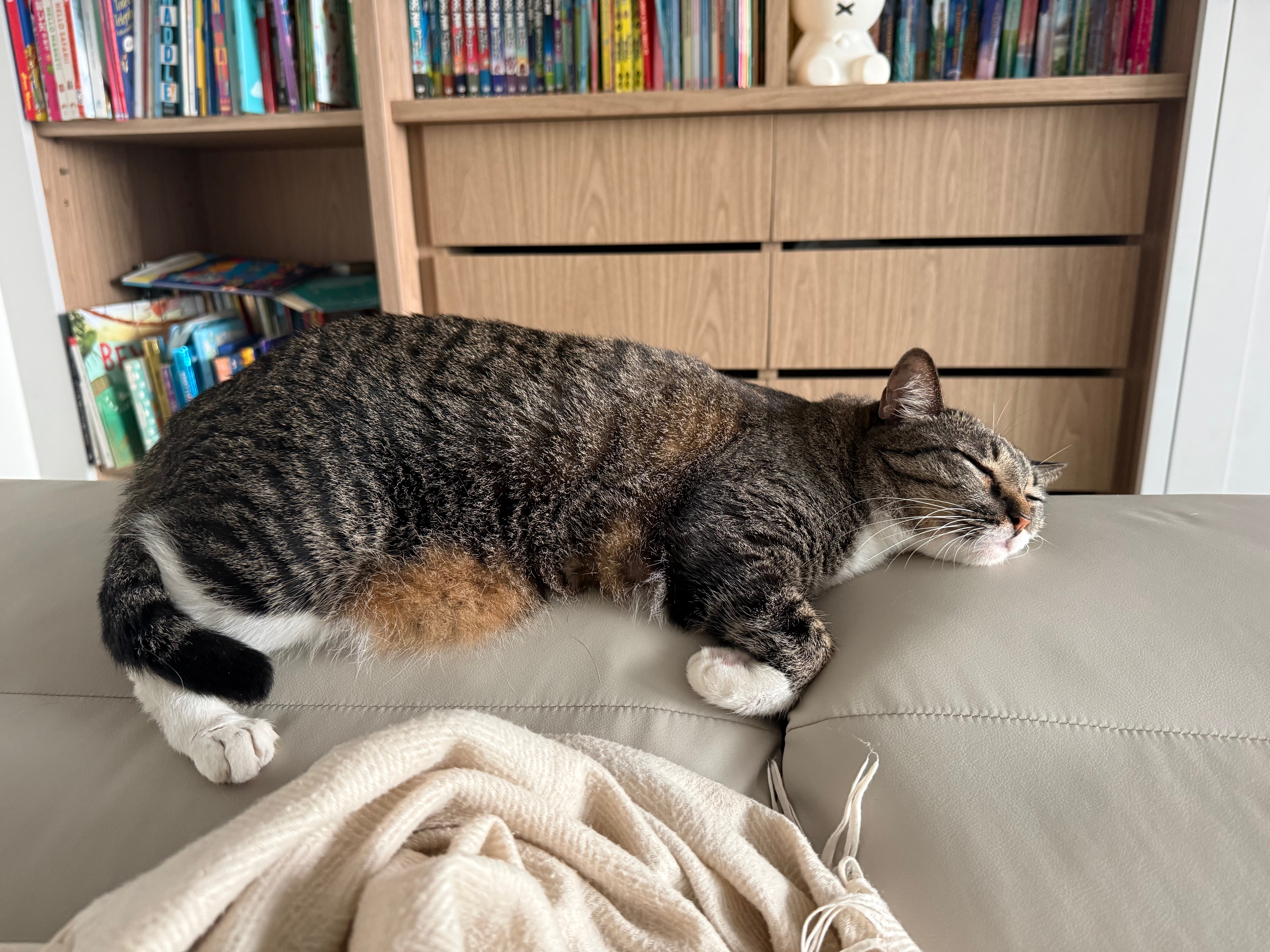
Many of us adore our cats, but for most, cleaning the litter box isn’t exactly the most enjoyable activity. However, this simple habit offers us a direct window into our feline’s digestive health. If our cat uses a litter box, it’s easier to observe changes in colour, consistency, smell, and defecation frequency. Although there’s a…
-
Automatic vs Traditional Litter Boxes: Which One Should You Get?
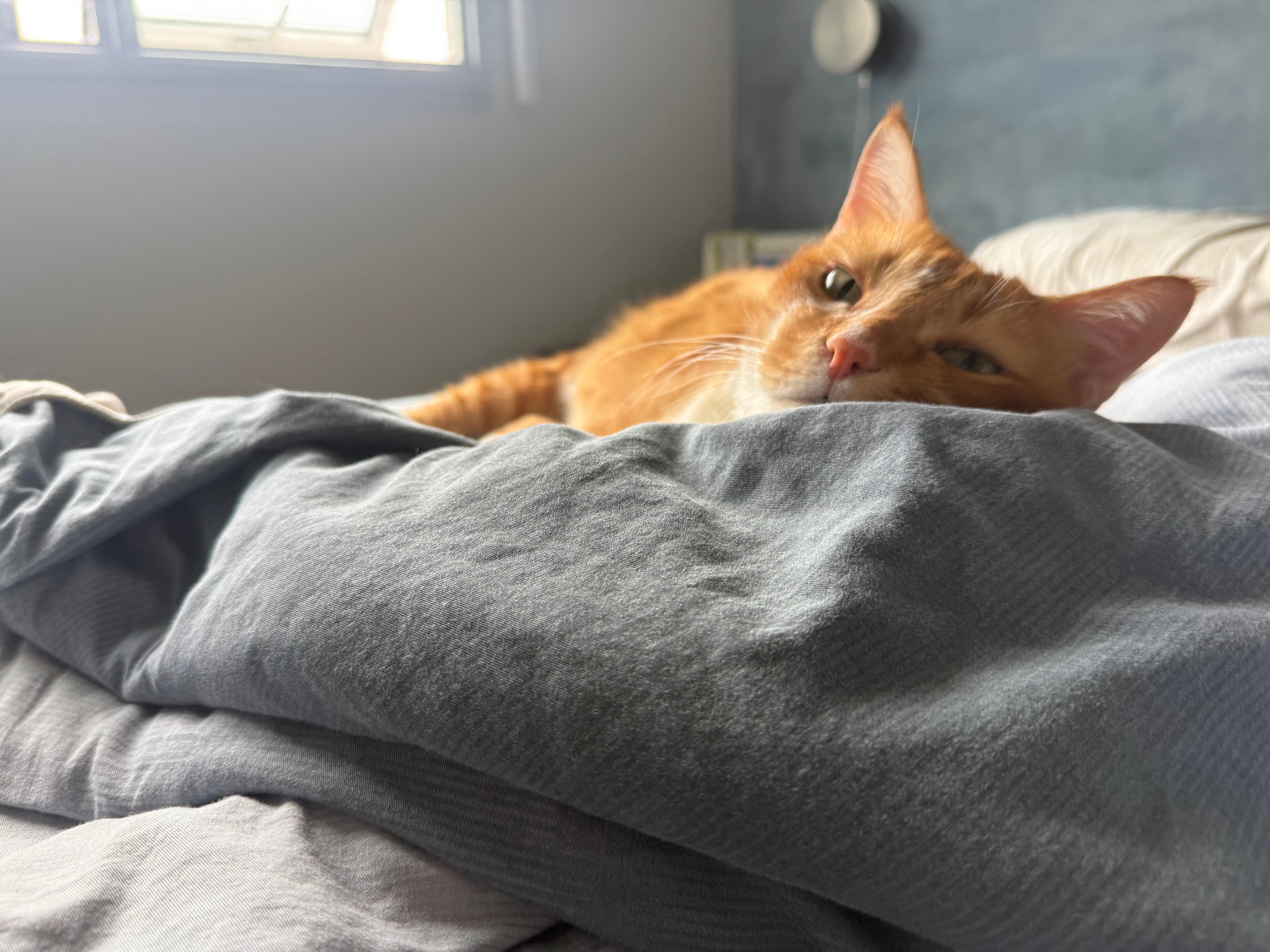
As a cat parent, one of the first things you need to purchase is a cat litter box. You have several options, from traditional litter boxes to self-cleaning or automatic litter boxes. Both options have their pros and cons, making it difficult for any cat parent to determine which is best for their needs. So,…
Whatsapp +65 8044 4486