
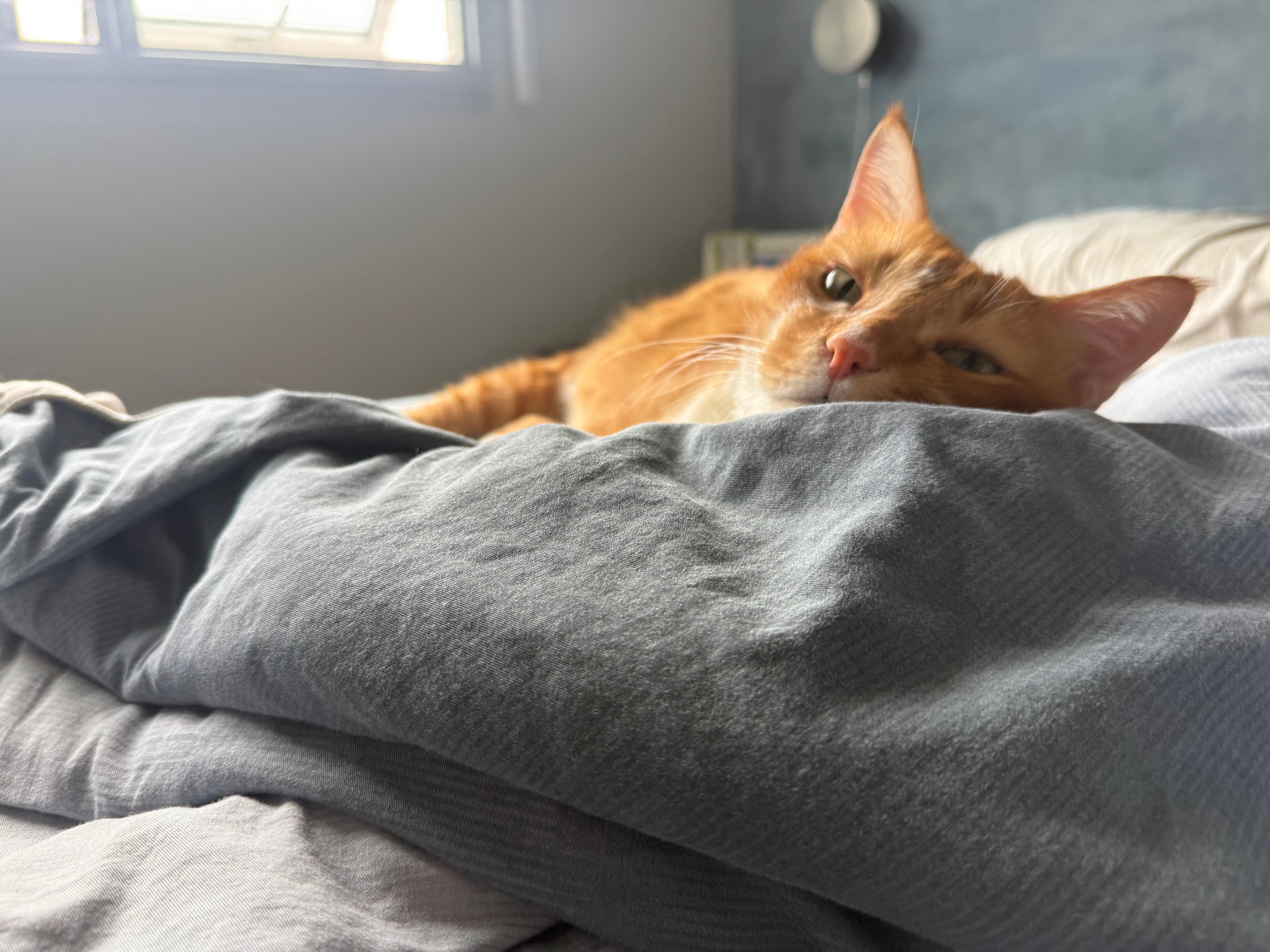
As a cat parent, one of the first things you need to purchase is a cat litter box. You have several options, from traditional litter boxes to self-cleaning or automatic litter boxes. Both options have their pros and cons, making it difficult for any cat parent to determine which is best for their needs.
So, how can you find the perfect fit for your needs? Here’s our comprehensive guide about automated and traditional litter boxes and what you need to know about them to help you make that decision:
Factors to Consider When Buying a Litter Box
Before you look into options, consider the factors that may affect your choice of a specific litter box type. Whether it is an automated or a traditional litter box, you need to consider these factors, as they will affect your choice for your household.
Type of Litter
No matter which type you use, you have several options for the type of litter you can use for litter boxes. In traditional litter boxes, you can use any litter so long as your cat likes the feel of the litter as they use it. It must also be non-toxic and easy to clean. For automated litter boxes, it depends on the brand: some accept a specific type of litter, while others are more flexible and accept a wider range.
Consumables
If you are purchasing automatic litter boxes, a common consumable is the bin liner. It is best to check whether you can use alternatives and avoid being stuck to the brand’s. There are plenty of durable, affordable alternative bin liners. Whereas in traditional litter boxes, you can use regular trash bags.
Another consumable is the odour pad. A walk-around solution is to get cat-friendly activated charcoal adsorbent and place it behind the litter box, out of reach from the cats.
You should review your monthly consumables to see whether you are saving on costs.
Electricity
Opting for a self-cleaning litter box means you will have to spend electricity even if your cats are not using it. The cost is usually much lower than your aircon or fridge.
Time
Traditional litter boxes require frequent scooping (depending on how fussy your cat is, you may end up scooping five times or more a day!) and continuous litter refresh. Meanwhile, an automated litter box uses a unique system that automatically clears waste on a schedule or when your cat leaves the litter box. If you can reduce the time you spend cleaning, you’ll have more time to spend with your cat.
Cleaning Efficiency
With the traditional cleaning box, you only need to wash it down, wipe it dry, and fill it with fresh litter. Automatic litter boxes are more complex to clean due to their moving parts. There is also a fear of damaging the electronics while cleaning. The best way to deep clean and maintain automatic litter boxes is to engage professional services like ours to ensure your litter box is thoroughly sanitised, properly maintained, and functioning at its best.
Automatic Litter Boxes
Pros:
For households that don’t want to worry about cleaning up after their cats each time they use the litter box and keeping their homes smelling fresh, an automatic litter box is the way to go. When in use, the litter box waits until your cat leaves before moving the clumps into a sealed bin. While it is always connected to your power lines, it won’t draw much electricity, and it can be programmed to run short cycles in between to keep it working well.
You only need to clear its bin every other day as directed. No bending forward or squatting down to scoop multiple times a day to keep the litter fresh. The odour of the litter box is contained because the lumps are removed from the main litter box as soon as they are used. The waste will be isolated in a sealed compartment with deodorisers, reducing the odour.
Some automated litter boxes even come with cat data, allowing you to monitor your cat’s health and litter box usage frequency. This will be key in identifying early signs of health problems. The data can be accessed through a mobile app.
Some are also designed with a roomier interior, making them perfect for larger cats like the Maine Coon. It is also suitable for cats who have anxiety and may find cramped spaces triggering.
Why You Shouldn’t Buy this Litter Box:
- Some cats are sensitive to sound and motion, which may cause them to ignore or avoid the litter box.
- Some automated litter boxes may require regular maintenance according to the manufacturer’s schedule.
- You will need to replace its filters or liners, depending on how your cats use the machine.
- The litter box will take up a fair bit of floor space, and it must be installed near a power outlet.
What Makes this Pricier than The Other Option:
When you buy an automated litter box, you pay upfront for the unit and its supplies. You will then need to deal with ongoing costs such as clumping litter, filters or bin liners, electricity, and time spent cleaning the moving parts. You will need to do a weekly wipe-down and monthly deep cleaning to ensure your litter box continues to perform perfectly for your pets.
Traditional Litter Boxes
As its name suggests, a traditional litter box is the standard type available for your cats. It does not require electricity to work, and it can be placed in any room. It is available in either open, top entry or covered styles, depending on your cat’s preference or the placement of your litter box.
Pros:
It is cheaper up front for many households, and even if you replace them, it is still affordable. It is a great starter for first-time pawrents looking for a cost-effective introduction to basic cat care. Many pawrents will be looking to upgrade to an automated litter box once the new cat settles into their home.
With a traditional litter box, you can place it anywhere in your home; it is easy to replace and does not require electricity. Some pawrents choose to place the litter box in the bathroom, as it feels like a natural location — it’s easily accessible and keeps the box out of sight, preventing it from becoming an eyesore in the living room or bedroom.
Why You Shouldn’t Buy this Litter Box
- You will need to scoop it daily to prevent it from creating any smell. Miss a single day, and it can cause problems with odour control. And your cat may not want to use the dirty litter box and prefer to pee elsewhere.
- If your litter box is made of poor-quality plastic, scratches on its surface can trap stains and odours.
- For a multi-cat household, it is highly recommended to have more than one litter box. For every 2 cats, you will need to have 3 litter boxes. For an HDB or condo, this may take up too much space.
- Scooping can also raise hygiene concerns, potentially exposing the rest of the family to bacteria and other substances. Especially when a family member is pregnant, she should avoid cleaning cat litter boxes to prevent contracting toxoplasmosis, a parasite found in cat faeces that can cause serious fetal issues like miscarriage, preterm birth, or brain damage.
What Makes this Pricier than The Other Option:
If your cat is anything like mine, a fussy one who refuses to go except when the litter box is absolutely clean, it is a nightmare. It took us a couple of months to realise that Sunny peeing on our bed wasn’t due to an illness or behavioural issue, but because he was protesting a dirty toilet. We can’t really blame him, can we? We don’t like going to a dirty toilet, either.
So, How Do You Pick Between These Litter Boxes Based on Your Situation
Every household is different, and your options may be limited. From how many cats you have to the size of your home, your time, and your budget, these factors can significantly influence your choices. Here’s the basic run down for these situations:
For single-cat homes with a strict budget, always go for a traditional cat litter box. It is affordable in the long run, as long as you can keep your daily scooping and cleaning consistent.
For two or more cat homes with owners who have time constraints or odour-sensitivity requirements, it is recommended to use an automated cat litter box for its odour control and automation. Just make sure to put the unit in a place where the noise is manageable, and your cats can access it easily. Also, make sure to place the unit out of your child’s reach so they don’t touch the controls.
For multi-cat homes, we recommend getting an automated litter box so you don’t have to clear 3 litter boxes (or more!) every few hours. Unless you live in a big house, 3 litter boxes will take up much more space than 1 automatic litter box.
Extra Tips to Help You Maximise Your Litter Boxes
If you want to save on costs, whether you pick a self-cleaning or traditional litter box, there are ways to maintain it. Here are some of our most recommended tips:
- Try to clean your litter box as often as you can, and do a full clean at a set schedule based on your litter box’s needs or your household.
- If you have many cats at home, make sure to increase the time you clean their litter boxes so they don’t smell as quickly.
- Know each part of your litter box and its maintenance requirements. If you get an automatic litter box, familiarise yourself with how it works and the mechanisms that may wear out over time.
- For traditional litter boxes, check them closely each time you clean them; if there is a persistent odour, you may need to replace them.
- If your cat has been using a traditional litter box all this time and you plan to upgrade, try introducing the self-cleaning litter box gradually and let them explore it at their own pace. They will soon become accustomed to it and use it slowly.
- Maximise the smart features of your self-cleaning litter boxes. Some newer models come with features such as health monitoring, litter box condition and camera. Always review these features to see how you can adjust them for your pet’s comfort.
For Your Cats!
Whether you opt for an automated or a traditional litter box, it is important that it is able to improve the lives of both you and your cats. While you may see automatic litter boxes as a luxury, they are a practical investment if you consider the convenience they offer in the long run. Still deciding on an automatic litter box? Let us guide you. From choosing the right model to deep cleaning and repairs, we’ve got you covered. Contact us today.
Disclaimer: Grin Like Cheshire is not affiliated with the featured brands and trademark rights remain the property of their respective owners. When in doubt, always consult your vet — early detection makes all the difference.