
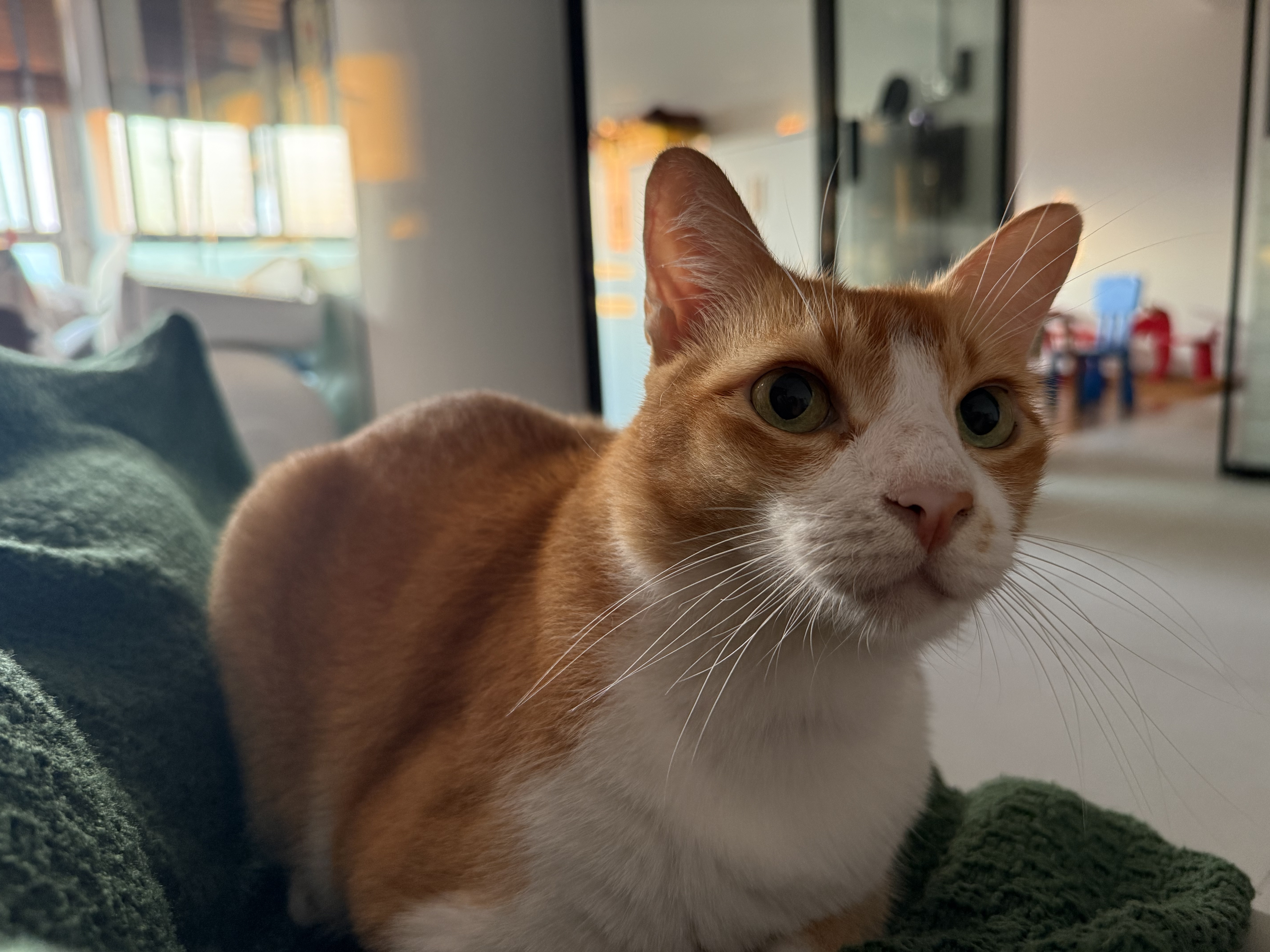
Renal amyloidosis is a kidney disease that relates to the deposition of abnormal proteins in the kidney tissues. This disease is rare in cats, especially when compared to Chronic Kidney Disease (CKD), but it is still very dangerous due to its rapid progression and its effects on the kidneys’ function. Symptoms of renal amyloidosis in cats can be similar to those of other kidney diseases, which makes it easy for the disease to go unnoticed until it has already caused damage. Minor symptoms like changes in drinking, appetite, and urination habits, as well as energy levels, can all be easily attributed to normal ageing, which helps the disease develop quietly over time. Because of this, keen observation and early detection play the biggest role in detecting the condition before damage becomes irreversible. This article will help you gain an understanding of the causes, diagnosis, and management of renal amyloidosis so that your feline friend can have the best outcome possible.
Understanding the Nature of the Disease
Protein fibres that are not broken down normally by the body and instead become misfolded and accumulate in tissues are referred to as amyloids. Experts note that in cats, renal amyloidosis involves the formation of deposits of amyloid-A proteins (AA amyloid most common) within the kidney tissues. The Cornell College of Veterinary Medicine explains that as the amyloid accumulates within the tissues, filtration in the kidneys becomes negatively impacted, proteins begin to leak into the urine (proteinuria), and the kidneys lose their function. In certain cases, amyloids can even affect blood vessels and the tissues that surround the kidneys, making damage even worse. There are two different clinical patterns when it comes to renal amyloidosis: progressive and acute. Some cats will experience a slow decline in kidney function over time, while others will experience the deterioration suddenly. The latter is especially common when deposits disrupt blood flow or cause structural instability within the kidney.
How Renal Amyloidosis Affects Urination
The disruption of normal filtration caused by amyloid deposits and the subsequent loss of protein in the urine is something that can be easily identified in laboratory analyses and has been proven in clinical studies. Veterinarians report that as kidney function worsens, urine usually becomes more and more diluted, causing cats to urinate more often and in larger quantities. If the kidney damage progresses quickly, then changes in urine output can come on suddenly. Some cats may start to urinate outside of their litter boxes because of urgency rather than a behavioural issue. All of these changes are clues that point to underlying renal problems.
Which Cats are at a Higher Risk?
Some cats are genetically predisposed to developing renal amyloidosis, but breed also factors into their susceptibility to the disease. Veterinarians report that the breeds at risk of amyloidosis are: Siamese, Abyssinians, Burmese, Tonkinese, Devon Rex, and Oriental Shorthairs. It’s not to say that if your cat belongs to one of these two breeds, amyloidosis is unavoidable; however, the increased risk does warrant more careful monitoring. According to DVM Barri J. Morrison, the disease mostly affects cats over the age of 7. Relatively young cats can also develop the disease, though, especially in the predisposed breeds. As mentioned above, the progression of the disease is quite variable, with some cats unfortunately experiencing a fast decline after their diagnosis. Overall, the rate of progression can vary depending on the cause of the disease and the extent of the amyloid accumulation at the time of diagnosis.
Causes and Contributing Factors
Renal amyloidosis is often classified as either hereditary (familial) or secondary. The hereditary classification is because of an inherited abnormality (typically breed-related) in protein processing. For these cats, even small inflammatory stimuli can accelerate the development of deposits. The “secondary” classification is connected to chronic inflammatory diseases, immune system dysfunction, repeated and chronic infections, or cancer. All of these conditions can contribute to the production of serum amyloid A proteins and, therefore, the increased likelihood of deposits. It is likely that there are also interactions between genetic predisposition and environmental or inflammatory stressors, which play a large role in the development of the disease.
This section was informed by veterinary specialists from VCA animal hospitals.
Early Signs and Clinical Symptoms
Early signs of renal amyloidosis are very similar to those of other kidney diseases. Feline health specialists explain that owners can notice signs of the disease if their cat has an increased thirst drive and urinates more frequently. These are both signs that the kidneys are less able to concentrate urine. This can be verified by observing their litter box habits. Increased water consumption will be reflected by more frequent and larger urine clumps. As kidney efficiency gets worse, the specialists note that cats may also lose their appetite and become weak and underweight as a result of the protein loss. Some cats will also develop a poor coat condition secondary to kidney dysfunction. In severe cases, vomiting and diarrhoea may occur. Since all of these signs are not specific to any one disease, it’s essential that owners consult their veterinarians to tease apart the cause of the symptoms and receive a proper diagnosis.
Diagnosing Renal Amyloidosis
To diagnose renal amyloidosis, blood tests and urinalyses are critical. Your vet will look for elevated kidney values, such as creatinine and urea, as well as proteinuria, which can be visible even in early cases. The measurement of urine protein-to-creatinine (UPC) is especially helpful when assessing the severity of the disease because it helps quantify protein loss. Imaging studies, like ultrasound, are useful when looking for changes in kidney size and structure, but taking a biopsy of the kidney is the gold standard when it comes to confirming amyloid deposition. Specialized staining techniques can be used on the sample to identify amyloid within the tissues. Biopsy in cats with compromised kidney function, however, does not come without risk. Your veterinarian will carefully weigh the benefits and risks of any procedure before proceeding, in order to have the best outcome possible.
This section was informed by guidance from DVM Barri J. Morrison
Treatment and Management Options
Supportive care forms the backbone of managing this disease. Two easy changes that can be made include adjusting your cat’s diet in order to control their protein and phosphorus intake and using fluid therapy to maintain hydration. Both of these adjustments help reduce the kidney’s workload and support perfusion. Regarding the medical management of the condition, it is essential to control protein loss. Clinical research highlights the role of certain drugs such as angiotensin-converting enzyme (ACE) inhibitors or angiotensin receptor blockers in decreasing the amount of protein excreted in the urine. In some instances where amyloidosis of the kidneys is a complication of another disease, it is important to also manage the underlying inflammatory condion. By bringing your cat to the veterinarian for regular reassessments, kidney values, protein levels, and overall health can all be monitored accordingly. The progression of this disease can be unpredictable, so having ongoing professional evaluation is needed to adjust care plans accordingly.
How an Automatic Cat Litter Machine Can Help
Monitoring litter box habits is particularly important for cats that have renal amyloidosis, as any small changes can indicate a shift in kidney function. Automatic litter machines are excellent tools to use because of their capacity to track the frequency of your cat’s visits to their litter box, as well as any changes in urine volume over time. Repeated small outputs, increased frequency, or any sudden changes can signal the worsening of the disease or other complications, so by identifying any trends early on, owners can bring their cat to the vet for reassessment before any serious decline in health occurs. In addition to the many benefits automatic litter machines provide from their monitoring software, they also maintain a consistently clean litter environment. Research shows that cats who have access to a clean and low-stress litter box are more likely to have normal elimination behaviour. It is likely that this clean and stress-free environment allows them to be more comfortable and manage their disease better.
Home Care for Cats with Renal Amyloidosis
Caring for your cat with renal amyloidosis from home focuses on supporting hydration, maintaining dietary consistency, reducing stress, and monitoring behaviour. Having multiple water sources set up around the house and adjusting your cat’s diet to contain more wet food are great ways to counteract fluid loss. Having a predictable routine and several calm and quiet spaces for your pet to rest are key to reducing stress, something that is especially beneficial for chronically ill cats. As an owner, it is your responsibility to observe any behavioural changes, including fluctuations in appetite, activity, or litter box habits, and report back to your veterinarian. Whether using an automatic litter machine or not, a log or journal of symptoms is a very helpful tool for your veterinarian to reference.
When to Seek Immediate Veterinary Care
If your cat suddenly becomes lethargic, has sudden, major changes in urine production, shows and extreme loss of appetite, or collapses, they need to be taken to the vet right away. Such symptoms may indicate acute kidney failure or other serious complications of the disease, such as dehydration or electrolyte imbalance.
Prognosis and Quality of Life
Unfortunately, renal amyloidosis is often a progressive condition that becomes fatal. Although some cats will experience a gradual decline, others will experience a more rapid deterioration. Early detection of the condition and proactive management can go a long way in slowing the progression of the condition and enhancing your pet’s quality of life. It is essential that you work alongside your veterinarian to make informed decisions and keep expectations realistic. Keeping your cat comfortable, reducing their stress, and keeping a close eye on their renal function are all essential pillars that contribute to your cat’s well-being.
Ensuring the Best Possible Outcome
Amyloidosis is a relatively rare but serious condition that can affect your cat’s kidneys, and can be hard to diagnose in the early stages. It is essential that you pay close attention to any changes that may be occurring in your cat’s drinking, urinating, and behaviour, if you hope to catch the condition early on. By paying close attention to your cat at home and taking them in for regular check-ups with the vet, you can make informed decisions about treatment and ensure the best possible quality of life for your pet.
Sources:
https://www.petmd.com/cat/conditions/systemic/amyloidosis-cats
https://www.dvm360.com/view/cats-litter-box-preferences-in-multicat-environments
https://pmc.ncbi.nlm.nih.gov/articles/PMC11148907
https://vcahospitals.com/know-your-pet/amyloidosis-in-cats
https://pubmed.ncbi.nlm.nih.gov/37991136
https://www.petmd.com/cat/conditions/urinary/kidney-disease-cats
https://www.vet.cornell.edu/departments-centers-and-institutes/cornell-feline-health-center/health-information/feline-health-topics/renal-amyloidosis
Disclaimer: Grin Like Cheshire is not affiliated with the featured brands and trademark rights remain the property of their respective owners. When in doubt about your pet’s health and well-being, always consult your vet — early detection makes all the difference.